Promo-LEX Observation Mission for the General Local Elections of 5 November 2023 | Opening of Polling Stations
The Promo-LEX OM for the General Local Elections of 5 November 2023 received, until 9:00, 141 reports of incidents from observers. This release includes 44 incidents processed by the central team of the Promo-LEX OM up to specific hour.

We specify that, on election day, the Promo-LEX OM delegated 602 static observers, including in all polling stations in Balti and Chisinau municipalities, as well as in 237 polling stations in the rest of the country, selected based on a representative sample. Furthermore, the electoral process in the rest of the polling stations, in their immediate vicinity and access routes thereto, is also monitored by another 142 observers grouped in 71 mobile teams.

According to observers, of the total of 436 stations monitored at the opening, 97 were opened a little earlier or after 7:00.

Incidents reported at the opening of polling stations:

Restricted access for observers or obstruction of the free observation process in the polling station – 4 cases.

PS 7/1 Cahul, Cahul. The observer was allowed to enter the polling station only at 6:50, even though he had come at 6:30.

PS 1/202 Chisinau, Riscani. At 6:40, upon entering the polling station, the PEB president informed the Promo-LEX observer that he had to appear two days before the election day in order to register in the list of observers. After the PEB president made a phone call to clarify, the observer’s access was allowed.

PS 01/58, Chisinau, Botanica. At 6:30, when the observer tried to enter the PS to observe the preparation for the opening, his access was restricted and he was informed that the PS opens at 7:00. Later, at 6:54, the observer’s access to the PS premises was allowed.

PS 01/32, Chisinau, Botanica. At 6:30, the observer’s access to the PS to observe the preparation for the opening was denied. Later, at 6:45, the observer’s access to the PS premises was allowed.

Deficiencies in the operation of the SAIS Elections (technical errors, problems related to voter registration, etc.) – 7 cases.

PS 2/21 Balti. The SAIS Elections was not operational for 8 minutes from 7:20. During that time, 2 voters waited until the deficiency was resolved. Operators intervened and the problem was removed.

PS 01/56, Chisinau, Botanica. Between 07:14 and 07:42, the SAIS Elections was not operational, and the Internet connection was interrupted. In that interval, the voters voted without registration in the system, they were enlisted on a sheet of paper by the PS president to be registered after removal of deficiencies.

PS 22/26, Leova, Filipeni. Since the opening of the PS, the SAIS Elections was not operational due to the lack of internet connection, therefore the voters voted without registration in the system, they were enlisted on a sheet of paper to be registered after removal of deficiencies.

PS 1/289 Chisinau, Condrita. Between 08:20 and 08:27, it was found that SAIS Elections stopped operating (internet connection disappeared). The voter who appeared at the PS during that time was allowed to vote.

PS 01/144, Chisinau, Botanica. At 07:20, a voter with a residence visa in the identity card at str. Miorita 1, was identified in SAIS Elections with the address at str. Miorita 1/1. SAIS Elections operators claim that it is an error, since only Casa Radio is located at str. Miorita 1. The voter was allowed to vote, but showed signs of dissatisfaction with the situation. The PEB president advised him to find time to correct the error in documents.

PS 1/276 Chisinau, Bubuieci. At 07:26, one of the SAIS Elections operators noted the PEB president that he could not enter the system. The president became aware of what happened and called the specialized bodies for assistance. Only one of the operators continued the verification of voters in SAIS Elections. The deficiency lasted for at least 50 minutes.

PS 14/2 Drochia, Drochia. Since the opening of the PS, SAIS Elections was not operational at an operator, the voting process was not interrupted, the PEB president announced about that incident. By 08:45, the problem had not been resolved.

Deficiencies in voters’ lists – 1 case.

PS 23/38, Nisporeni, Varzaresti. One voter was not found in voters’ lists and he was stating that he voted permanently in that section. He was entered in the supplementary lists.

Discontinuation of the shooting of electoral operations during the voting day – 10 cases.

PS 11/4 Cimislia, Cimislia. From the opening of the polling station and until 7:30 (departure of the Mobile Team from the polling station), the video camera was not operational.

PS 21/1 Ialoveni, Ialoveni. Between 06:45 and 7:30 (departure of the Mobile Team from the polling station), the video camera was not operational.

PS 27/39 Riscani, Recea. At 7:05, it was found that the video camera was not operational. The PEB president and an operator intervened in the camera’s settings to connect it. The technical failure lasted about 15 minutes.

PS 1/219 Chisinau, Riscani. At 7:25, the shooting process was interrupted due to a technical failure of the camera. The failure was removed after about 10 minutes.

PS 20/13, Hincesti, Bujor. At 07:30, the video camera did not record for a period of about 5 minutes, due to its discharge. The failure was removed and the shooting process was resumed.

PS 26/3 Rezina, Rezina. Between 7:30 and 8:15, the video camera was disconnected. According to the observer, it only recorded the PS preparation for the opening and was disconnected due to lack of memory. The PEB representatives stated that they will connect the camera when the counting of votes begins.

PS 25/37 Orhei, Isacova. Between 07:40 and 08:10 (departure of the Mobile Team from the polling station), the video camera was not operational.

PS 12/32 Criuleni, Pascani. The video camera was turned on at 7:20 after more than 20 citizens voted. It was disconnected for technical reasons later again.

PS 25/37 Orhei, Isacova. Between 07:40 and 08:10 (departure of the MT from the PS), the video camera was not operational.

PS 1/70, Chisinau, Botanica. At 8:00, the electricity was disconnected for about 10 minutes. As a result, the video camera did not record. The problem was promptly removed and the shooting process was resumed.

Presence of advertising materials, posters, electoral boards within the radius of the polling station (100 meters from the station) – 3 cases.

PS 01/70, Chisinau, Botanica. In the morning, before the opening of the section, electoral materials (posters) of a political party were observed in front of the PS, on an information board.

PS 33/3 Taraclia, Taraclia. Near the polling station, advertising posters with photos of candidates from a political party are attached on two poles.

PS 1/109 Chisinau, Buiucani. Near the polling station, a banner with electoral message in favor of the electoral competitor of a political party was not removed. The banner is located opposite the entrance to the polling station.

Unjustified presence of unauthorized persons in the polling station or within 100 m – 3 cases.

PS 8/38 Cantemir, Porumbesti. Between 06:45 and 7:20 (departure of the Mobile Team from the polling station), the police representative was present in the polling station.

PS 01/52, Chisinau, Botanica. Between 07:52 and 08.05, a voter, under the pretext that his phone is discharged and needs to be charged, was in the PS entrance more time than necessary. He tried to vote in the section, although he resides in another locality. The operators explained to him that he could not vote.

PS 1/100 Chisinau, Buiucani. At 7:02, the unjustified presence of 3 unauthorized persons was found in the polling station. One of three persons had the capacity to represent a political party and came with a request to the PEB president to issue him the observer ID card. Later, in about 15 minutes, the situation was clarified, the person in question was registered as a representative of the electoral competitor, and his ID card was issued.

Ballot boxes were not sealed according to legal procedures/ broken/damaged or missing seals on ballot boxes – 7 cases.

PS 2/28 Balti. One of the static ballot boxes has a defect, so the PEB president could not apply the fourth seal

PS 2/30 Balti. Ballot boxes were sealed after announcing the opening of the polling station, at an interval of 10 minutes.

PS 01/137, Chisinau, Botanica. Stationary ballot boxes were sealed with only 3 seals.

PS 01/59, Chisinau, Botanica. Stationary ballot boxes were sealed with only 2 seals. The PEB president communicated that two seals are enough.

PS 21/42 Tipala, Ialoveni. At 7:00, stationary ballot boxes were sealed with 2 seals.

PS 1/218 Chisinau, Riscani. At 6:53, stationary ballot boxes were sealed with 2 seals. The PEB president commented that it would be easier to unseal, all PEB members agreed to be sealed with only two seals.

PS 1/124 Chisinau, Gratiesti. Stationary ballot boxes were initially sealed (time: 6:53) with a single seal. The extra seals were added by 7:35 so they would be properly sealed.

Violations of voting secrecy (photographing ballot papers, etc.) – 5 cases.

PS 36/10 TAUG, Comrat. At 7:20, a young man photographed the ballot paper with the option already expressed. When representatives objected, the PEB president intervened and the picture was deleted.

PS 01/56, Chisinau, Botanica. A voter was observed taking a photo of his ballot in the booth.  The PEB president warned him on the way out that he did not have the right to take photographs.

PS 01/17, Chisinau, Botanica. A voter showed everyone present in the PS the ballot paper after applying the ‘Voted’ stamp, having asked if it would be validated if it got dirty with ink.

PS 01/15, Chisinau, Botanica. A voter took a photo of the ballot paper. At the request of the PEB president, the photo was deleted.

PS 1/167 Chisinau, Ciocana. A voter asked if it was possible to exchange a new ballot paper and showed the stamped ballot to the PEB president and a political party representative to see if the stamp was legible. Later, he inserted it into the ballot box and left, and the PEB president replaced another stamp in the voting booth. The PEB president told him that she could not give him a new ballot paper.

Ballot papers not distributed to PEB members are not kept in a safe/closet inside the polling station – 1 case.

PS 01/60, Chisinau, Botanica. There is no safe or other secure place to keep unused ballot papers in the PS premises. All are kept on the table.

Unjustified group voting – 1 case.

PS 1/269 Chisinau, Vatra. At 07:45, the PEB secretary entered the voting booth to help a voter who did not have any deficiencies.

Others – 2 cases.

PS 1/110 Chisinau, Buiucani. At 7:43, at the time of voting, the PEB president noticed that the ballot papers in Russian were from another polling station, more precisely for PS 108. The president communicated about that and showed the box where the ballot papers were located to the observers and representatives of the political parties on which PS 110 was indicated. The PEB president said later that she would make a public act following that incident. At that moment, ballot papers in Russian have been withdrawn and ballot papers in Romanian will be offered.

PS 23/38, Nisporeni, Varzaresti. PEB members found a ballot paper in a voting booth, probably forgotten by a voter. It was introduced into the ballot box by the PEB president.

The release is drafted within the Observation Mission for the General Local Elections of 5 November 2023, carried out by the Promo-LEX Association with the financial support of the United States Agency for International Development (USAID) through the Program “Democracy, Transparency and Responsibility” and of the European Union through the Project “Strengthening the electoral legislative framework and assessing its implementation during the general local elections in 2023”.

The opinions expressed in the reports and public releases of the Promo-LEX OM belong to the authors and do not necessarily reflect the point of view of financiers or partners. The content hereof may be subject to editorial revisions.

In case of discrepancies between the text in Romanian and its translation into another language, the provisions established by the Romanian text prevail. 


End of campaign marked by increase in cases of misuse of administrative resources and potential voter corruption

Report no. 4 of the Promo-LEX Observation Mission for the General Local Elections from 5 November notes perpetuation of practice of legal framework problematic interpretation and implementation. In the last two weeks of the electoral campaign, the activism of competitors has increased significantly, as has the number of cases that can be qualified as misuse of administrative resources and of those with the potential to corrupt voters. The amount of unreported expenditures estimated by Promo-LEX has also increased substantially.

The observation period for the events included in the Report runs generally from 19 October to 2 November 2023. Campaign financing observation was conducted until 27 October. The results of the monitoring of hate speech and incitement to discrimination are presented for the period 13 – 29 October 2023.

Problematic interpretation and implementation of the legal framework

Promo-LEX OM notes with concern that, during the monitoring period, the Commission for Exceptional Situations, not empowered by Parliament, has again interfered in the organisation and conduct of elections through its provisions. At the proposal of SIS, CES temporarily suspended the broadcasting licences of six TV stations, without providing extensive explanations of the factual and legal circumstances justifying the restrictive measures.

Regarding CEC’s decision to oblige nine constituency electoral councils to examine the cancellation of registration of candidates nominated for office of mayor and councillor of the Party Șansă (Chance), OM Promo-LEX notes that both illegal financing of electoral campaigns and corruption of voters are serious violations of the electoral process, which are likely to influence the election results. Authorities’ actions to stop these phenomena are necessary in the context of an ongoing election. At the same time, Promo-LEX believes that authorities should examine the legality and constitutionality of the deliberate actions of the Party Șansă (Chance) to associate itself with the image of the former Șor Party, declared unconstitutional.

Promo-LEX OM expresses its concern over the tendency of some competitors to support independent candidates or candidates nominated by other political parties. We also believe that the support of some independent candidates by political parties should be reflected in the competitors’ financial reports.

Doubling of cases of misuse of administrative resources

In the last two weeks of the electoral campaign, the activism of competitors has significantly increased, with about four times more promotional activities than in the previous observation period. In total, at least 1,421 promotional activities were carried out. The most active were PAS – 22% of activities, PSRM – 19%, PȘ – 13% and PDCM – 6%.

The number of cases that Promo-LEX qualifies as misuse of administrative resources has practically doubled. A total of 77 such cases were found, including: involvement of persons holding public office in campaign activities – 21 cases (PAS); involvement of LPA in candidates’ electoral promotion activities – 15 cases (6 – IC Lupov Veaceslav, 9 cases – SSP); electoral candidates’ taking credit for public works/services carried out with public money – 16 cases (6 – SP, 5 – PAS, 4 – MAN, 1 – LOC); organisation of electoral meetings in public institutions during working hours – 25 cases (6 – PSRM, 5 – PAS, 4 each – PLDM and PDCM, 2 each – PSDE and IC Vrabie Vitalie, 1 case each – PR and IC Anastasov Serghei).


At least 5 cases that can be qualified as voter corruption were observed (2 cases – SSP, 1 case each – PAS, PLDM, IC Zagorcea Iurie).

Promo-LEX observers found multiple cases of violation of electoral advertising legislation: unauthorised placement of advertising (96 cases); lack of complete information in electoral advertising (95 cases) and distribution of electoral advertising together with political advertising (9 cases).

Donations with gaps and unreported expenditures

In the period 6 – 27 October 2023, 30 political parties and 16 ICs reported revenues totalling 29.8 million lei. Most revenues (69%) were reported by five competitors: PAS – 23%, PSRM – 15%, PȘ – 12%, PN – 11% and MAN – 9%. About half of these were donations from individuals, and 40% – revenues transferred from the political parties’ accounts. A total of 28.2 million lei in expenditures were reported, of which 1.4 million lei were from material donations.

Following the analysis of electoral competitors’ financial reports, Promo-LEX observers identified collection of cash donations exceeding legal limits in the case of 5 electoral competitors (ALDE, PȘ, PSRM and 2 ICs). Also, in the case of two electoral competitors (PAS and MAN), collection of donations from legal entities was observed which, in the last three years before the beginning of the electoral period, have concluded public procurement contracts. 6 competitors (PAS, MAN, CUB, PLDM, PS and LOC) reported donations from legal entities with arrears to the state budget.

Promo-LEX OM estimated a total amount of at least 2,159,207 lei of expenditures not reported to CEC for campaign activities carried out by 24 political parties and 23 ICs. Of the total estimated unreported expenditures, 42% were for PR, followed by PȘ – 14%, PAS – 10% and PSRM – 9%.

Gaps in the electoral rolls

According to observers, in 15% of the EBPSs visited, electoral rolls were received after the legal deadline. In 13 cases observers were not given access to electoral rolls. The main problems identified in the rolls included: presence of deceased persons on the rolls (94 cases); wrong allocation of voters to the polling station (36 cases); missing voters on the basic rolls (8 cases); wrong allocation of voters to another locality (17 cases); address errors (7 cases).

Attention should be drawn to the fact that in the majority of cases where deceased persons were identified on the electoral rolls, according to the members of the electoral office, their removal was not possible due to missing confirmatory documents, on the grounds that either these persons died abroad or after the electoral rolls were printed.

CEC established that voters living in Corjova commune, including those from Mahala village, who have Dubasari town as their residence on their identity cards, will vote based on supplementary rolls, as in previous elections, including local ones. Officials of the electoral bodies in the locality expressed concern that the ballots, which will be sent according to the number of voters on the basic rolls (about 1100 citizens with the right to vote) could be insufficient. It should be recalled that in the last elections held, the early parliamentary elections in 2021, 992 voters took part in the vote.

Promo-LEX OM reiterates that the problematic situation of voters in Corjova commune must be urgently solved through the joint efforts of Corjova town hall, the Public Services Agency and the Central Electoral Commission, in the interest of the local citizens and in accordance with the legal framework.

Electoral bodies activity

During the observation period, CEC continued the implementation of activities foreseen in Calendar Schedule. The observer accreditation process was intensive, with about half of the total number of observers accredited (716 out of 1493). The share of international observers is about 27%.

Level II Electoral Constituency Electoral Councils (ECEC II) have fully complied with their work programme and five councils had their composition changed. Promo-LEX observers identified several problematic aspects in the work of ECEC I: five cases of obstruction of observers’ work; one case where electoral officials were involved in electoral campaigning; a high incidence of changes in the nominal composition (396 cases for 278 councils) and violations of restrictions and incompatibilities in 67 ECEC I.

In the case of electoral bureaus (EBPSs), the main difficulties mentioned by EBPS members include: delayed technical and material provision; lack of space and favourable working conditions (electricity and heating); poor communication with higher-level bodies; and increased number of changes in the nominal composition of electoral bodies.

Hate and sexist speech

In the period 13 – 29 October 2023, at least six cases of hate and sexist speech were identified. Five cases took place online and one case took place offline at a public electoral event.

Hate speech was based on following criteria: political affiliation, sexual orientation/gender identity and sex/gender and was directed against politicians and electoral competitors (4 cases), women (3 cases) and LGBT people (2 cases). All six cases were distributed 1,144 times and had more than 107 thousand views.

The report was prepared with the financial support of the United States Agency for International Development (USAID) under the Democratic, Transparency and Accountability Programme and of the European Union under the project „Strengthening the electoral legislative framework and assessing its implementation during the 2023 general local elections”.


Election campaign marked by a large number of candidates, misuse of administrative resources and involvement of officials in electoral activities

In Report No. 3 of the Observation Mission (OM) for the general local elections from 5 November, Promo-LEX notes a significant rise in cases that could be qualified as misuse of administrative resources, a greater involvement of civil servants in campaign activities and non-reporting of full campaign expenditures by electoral competitors.

Promo-LEX OM appreciates in general the work of the electoral bodies but regrets the cases of obstruction of the free observation of the electoral process (11 cases by ECEC I and 2 – ECEC II) and emphasises that observers in the exercise of their duties have the right to have access to all electoral information.

The observation period for the events included in the report is generally 5 – 17 October 2023. The observation of campaign financing was carried out between 6 and 13 October. And the monitoring of hate speech and incitement to discrimination covers the period 29 September – 12 October 2023.

Problematic situation of voters in Corjova village

Promo-LEX OM is drawing attention to the situation where a large number of voters, who de facto live in the Corjova, are excluded from the electoral lists, but their identity documents show their residence in the town of Dubasari. Most of the voters excluded from the lists live in the village of Mahala, which is part of the Corjova village, but the identity cards issued to the inhabitants of Mahala village indicate „Dubasari town” as their residence.

The problem of exclusion of part of actual inhabitants of Corjova from the basic rolls is perpetuated from one election to another, and the public authorities, including the electoral ones, have not proposed any systemic solutions. In Promo-LEX’s view, voting on supplementary rolls was a temporary solution that should be dropped, as it only perpetuates and aggravates the problem.

As a reminder, 992 voters took part in the 2021 early parliamentary elections in Corjova, including approx. 62% on supplementary rolls. Thus, we note that the right to vote of Moldovan citizens residing in Corjova could be violated if they are not allowed to vote on the grounds that they are not included in the basic electoral rolls. Promo-LEX OM is concerned that the non-admission of such a large number of voters to the polls could also affect the validity of the elections and/or significantly influence the election results.

Promo-LEX OM considers it absolutely necessary to solve the problem of fixing the domicile in the identity documents according to the state of affairs and urges the Public Services Agency (ASP) and other central public authorities, together with the electoral bodies, to find a quick solution to this issue and actively inform citizens in this respect.

Competitive elections with a large number of registered candidates

Promo-LEX OM reiterates that the general local elections on 5 November are competitive and notes an increase in the number of registered candidates for all types of elective office compared to the previous local elections in 2019. The share of independent candidates for mayor has decreased, albeit insignificantly, from 10% to 8%. In contrast, the share of women candidates for mayor has increased, from 27% to 30%.

A positive dynamic in terms of registration of women as candidates for the office of mayor was observed in the municipalities of Balti and Chisinau – from 6% in 2019 to 19% in 2023. A record number of candidates – 27, all nominated by parties/electoral bloc – were registered for the office of mayor of mun. Chisinau. In mun. Balti, only two out of a total of 15 are independent candidates.

Promo-LEX observers recorded at least 15 cases of applications for registration of candidates for mayor and councillor offices being rejected. In most cases, the reasons for rejection of registration were: prohibition to hold public office and insufficient number of signatures collected.

In addition, 30 cases were reported when the list of candidates for councillor office was registered without respecting the minimum representation quota of 40% for both sexes, including 1 case of non-compliance with the positioning of candidates according to the formula of a minimum of four candidates of the same sex for every ten places.

Documenting the change of political affiliation of mayors, Promo-LEX observers found that towards the end of their mandate (2019-2023), about 39% of mayors changed their political option or declared themselves independent/unaffiliated. Most of the mayors who abandoned the party that nominated them in the 2019 elections “migrated” to PAS (36%).

Involvement of civil servants in campaigning and misuse of administrative resources

During the monitored period, Promo-LEX OM is observing a significant increase in the number of cases that can be qualified as misuse of administrative resources. Since the official start of the electoral campaign, the number of such cases has increased almost threefold and amounted to at least 43:

  • use of public authorities to promote electoral initiatives – 4 cases (Government – Satul European Expres (European Village Express); Executive Committee of ATUG, Taraclia City Council and Orhei District Council – monthly addition of 1,000 lei to small pensions, promised by Ilan Shor);
  • involvement in campaign activities of persons holding public office – 18 cases (PAS);
  • electoral candidates taking credit for public works/services carried out with public money – 11 cases (6 – PAS, 2 – PS, 2 – MAN, 1 – LOC);
  • organisation of electoral meetings in public institutions with employees of those institutions during their working hours – 9 cases (5 – PSRM, 2 – PAS, 1 – CUB and 1 – PCRM).

One case of potential voter corruption concerns the offering of envelopes with money at a public event organised by ATUG Governor with the support of Miron Șor Foundation.

Also, at least 14 cases were observed where electoral advertising was distributed in violation of legal provisions (6 – PAS, 3 – PSRM; 2 – PSDE; 2 – PDCM; 1 – PR) and 6 cases where electoral advertising was distributed simultaneously with political advertising (4 – PAS, 1 – PSDE and 1 – PSRM).

Unreported expenditures of almost 1 million lei

Promo-LEX OM finds that the campaign financial reports are published after the deadline and in a format inconsistent with the principle of open data. We also note that, until the launch of this election observation report, no financial reports of independent candidates were published on the website of the electoral authority.

In the period 6 – 13 October 2023, 14 political parties reported revenues in the total amount of 14.6 million lei, of which 14.1 million lei – financial means and 555 thousand lei – material donations. 79% of the total declared revenues were reported by 4 political parties (PAS – 33%, PSRM – 23%, PN – 12% and MAN – 11%). The other 10 political parties accounted for only 21% of the reported revenues.

The 14 political parties reported expenditures of 11 million lei, of which 10.5 million lei were in cash and 555 thousand lei in material donations. The largest expenditures were reported by PAS – 41%, PN – 16%, PSRM – 15% and PSDE – 6%.

As a result of civic monitoring, Promo-LEX OM estimated that a total amount of at least 953,228 lei was not reported to CEC for campaign activities carried out by 22 electoral competitors. Of the total estimated expenditures, 31% were estimated for PSRM and PLDM, 6% – PNM and 5% – CC. According to the purpose of the estimated expenditures, most of them were for promotional materials – 74%, followed by rewards for campaigners – 12%.

Uncertainty of applying restrictions to the right to be elected

Promo-LEX OM is observing uncertainty on behalf of authorities concerning the applicability of the ban on holding office, as a result of the final act of finding issued by the National Integrity Authority (ANI). This state of uncertainty was created in relation to about 20 people, for whom ANI’s final act of finding established a ban on holding elective office, but their mandates were not lifted.

In Promo-LEX’s opinion, the rules restricting the right to be elected should be interpreted in the spirit of the Electoral Code as a whole and this category of persons should not have been admitted to the elections. Otherwise, once the new office of mayor is validated, as a result of the elections of 5 November 2023, the previous mayor’s mandate will cease and, thus, the sanction of disqualification from holding public office will automatically be imposed. In other words, new local elections would have to be organised and held.

During the observation period, the Constitutional Court rejected the application for suspension of the Parliament’s decision of 21.09.2023 on the extension of the state of emergency and of the Provision of the Commission for Exceptional Situations (CES) of 04.10.2023 whereby it was decided that certain categories of persons could not participate in the general local elections from 5 November 2023.

It should be recalled that the Promo-LEX OM in its Election Observation Report No. 2 noted with concern that the legislation does not expressly empower CES with the right to intervene in restricting the right to be elected.

Hate speech continues to be used in the election campaign

In the period 29 September – 12 October 2023, at least 9 cases of hate speech, incitement to discrimination and other forms of intolerance were identified. Most cases were identified on social media (3 cases) and in print and online media (3). The most common criteria for hate speech were political affiliation (4 cases), sexual orientation/gender identity (2 cases), sex/gender (2 cases) and health (2 cases). The main groups affected by hate speech remain politicians (5 cases), LGBT people (2 cases) and women (2 cases). The 9 cases of hate speech received more than 126 thousand views and were distributed more than 700 times.

As a reminder, the current election is the first in which the use of hate speech by electoral competitors, including through electoral materials, is prohibited and sanctioned.


The report was prepared with the financial support of the United States Agency for International Development (USAID) under the Democratic Transparency and Accountability Programme and of the European Union under the project „Strengthening the electoral legislative framework and assessing its implementation during the 2023 general local elections”.


Statement / Israel-Palestine: the International Federation for Human Rights opposes violence, escalation and double standards

The International Federation for Human Rights (FIDH) is deeply concerned about the current hostilities in Israel-Palestine, which are causing widespread destruction and hundreds of civilian casualties. More than ever, the international community must uphold its moral and legal responsibilities to break this endless cycle of violence. To ensure accountability for these heinous crimes, international law must be applied without discrimination or double standards, in recognition that all human lives are equal.

Jerusalem, Ramallah, Paris, 11 October 2023. The recent Hamas offensive in Israel has led to immense violence and retaliatory attacks on the Palestinians. The situation on the ground is extremely worrying, especially following the total closure imposed by Israel against two million Palestinians in Gaza, who now have no access to food, water, electricity, petrol or medicine. Indiscriminate airstrikes, the closure, and the starvation of Gaza’s civilian population are clearly prohibited by international humanitarian law and constitute war crimes. It is urgent to do everything possible to obtain an immediate ceasefire from all parties, to take concrete measures to free civilian hostages and to protect the Palestinian people from disproportionate Israeli retaliatory measures, and ensure the entry of humanitarian aid into Gaza.

This cycle of violence is a predictable and expected result of Israel’s illegal occupation and apartheid regime that has lasted too long despite calls and warnings issued by human rights organisations and United Nations mechanisms. In a time marked by extreme tension, the radicalisation of discourse and unconditional support to Israel, it is important to call for de-escalation and an immediate ceasefire to protect the civilian populations, who are the main victims.

FIDH recalls that as long as the international community refuses to address the root causes of the ongoing hostilities, no just and lasting peace will ever be achieved. The blockade and closure of Gaza has been going on for 16 years, caging two million Palestinians in an open-air prison which was declared ‘unlivable’ by the UN. The closure of Gaza is not an isolated issue, but an integral part of Israel’s apartheid against the Palestinian people. Israel’s apartheid regime, established and maintained through a system of inherently discriminatory laws, policies and practices, is premised on the perpetual denial of the inalienable rights of the Palestinian people, including the right to self-determination and return.

Despite these grave violations, no genuine domestic investigations or prosecutions of these crimes have ever occurred. The International Criminal Court (ICC) has been investigating the Situation in Palestine since 2021. Notably, the ongoing atrocities also fall within the ICC’s jurisdiction. An active ICC investigation holds profound significance for victims and survivors, offering the prospect of accountability, redress, and global recognition of their suffering. It reinforces the principle that impunity for grave crimes (no matter where they are committed) is unacceptable, fostering hope and paving the path to a just and lasting peace. Yet, this investigation has alarmingly not been prioritised nor properly resourced, compared to other active ICC investigations.

FIDH calls on:

  • The international community to take responsibility and not further fuel the ongoing illegal situation and take concrete measures to ensure the protection of the Palestinian people in the face of indiscriminate Israeli attacks;
  • The protection and unconditional release of civilian Israeli hostages captured by Palestinian armed groups and demands that the Israeli authorities refrain from any form of collective punishment against Palestinians in Gaza and immediately lift the blockade and closure of Gaza;
  • The international community to enforce UN resolutions, and to demand total, immediate and unconditional withdrawal from the Palestinian territories occupied since 1967, and the realisation of the right of return of Palestinian refugees as enshrined in the UN General Assembly Resolution 194;
  • The ICC Prosecutor, Karim Khan KC, to expedite the investigation into the Situation in Palestine, and to proactively inform all parties to the Israel-Palestine conflict that the investigation of international crimes in the territories occupied by Israel since 1967 (namely, the Gaza Strip and the West Bank, including East Jerusalem) is ongoing and includes any and all continuing crimes;
  • States Parties to the ICC to unequivocally and unconditionally support the work of the Office of the Prosecutor in its independent investigation of international crimes committed in Palestine. It is essential to ensure that the ICC as a whole is adequately resourced to carry out this mandate effectively;
  • Israel to end the colonisation, apartheid regime and annexation policies imposed on Palestinian people,which are the root causes underlying the continuing waves of conflict in the territory.


Promo-LEX Observation Mission notes worrying trends that may affect organisation and conduct of electoral process and results of local elections

Promo-LEX Association presented on Thursday, 5 October, the second Report of the Observation Mission (OM) for general local elections from 5 November 2023, in which it notes worrying trends that may affect both the organisation and conduct of electoral process and results of elections. The observation period for events covered in the report runs generally from 5 September to 3 October 2023, but also includes changes to the legal framework adopted as a matter of urgency on 4 October.

New legislative restrictions on the right to be elected – a dangerous precedent

Promo-LEX OM notes with concern several problematic issues regarding the establishment of the latest restrictions on the right to be elected by the provision of the Commission for Exceptional Situations (CES) and the amendment of the Electoral Code by the Parliament.

Not being expressly empowered with the right to intervene in restricting the right to be elected and invoking alleged risks, CES issued Provision No. 86, by which, by way of derogation from provisions of the Electoral Code, it decided that certain categories of persons, whose actions led to declaration of unconstitutionality of the political party or were targeted in the Constitutional Court’s judgement, would not be able to participate in the general local elections from 5 November 2023.

Similar restrictions were declared unconstitutional by the Constitutional Court, and the reasons for the declaration of unconstitutionality also apply to the restrictions set by CES. Thus, some of the criteria set out in CES provision do not appear to be objective, and are rather general and insensitive to particular circumstances. At the same time, with reference to the established mechanism by which the law enforcement bodies draw up and send to the Central Electoral Commission (CEC) a list of persons in respect of whom certain suspicions exist, it is not clear who will verify/control and ensure that no abuses or errors are admitted in this process.

At the same time, the quality of the mechanism established for individual assessment of a person’s involvement in the political party’s activity comes along with the reversal of the burden of proving the person’s dissociation from the political party’s actions before declaring it unconstitutional. Promo-LEX OM considers that this mechanism could be rather cumbersome for electoral bodies.

Given that CES largely comprises members of the Government (usually from political parties), a dangerous precedent has been set for the Executive to become involved in the organisation and conduct of the elections and to influence the results of the elections and question their legitimacy.

Amending the electoral legislation by the Parliament as a matter of urgency with the inclusion of restrictions on the right to be elected similar to those established by CES provision was done in violation of principle of stability of electoral legislation and with the omission of legislative stages (endorsement, expertise, public consultation), before the start of the electoral campaign – which can ensure neither the quality of the legislative act, nor an effective implementation and uniform applicability, neither a transparent and competitive organization and conduct of elections.

Promo-LEX OM has urged on every occasion for ensuring wide consultation on the amendments to the Electoral Code, reaching consensus on the amendments with other political actors, seeking the opinion of the Venice Commission on them and expeditiously approving the amendments without neglecting or rushing the legislative procedures.

Increase in the number of cases of misuse of administrative resources

During the observation period, Promo-LEX OM found 15 cases of misuse of administrative resources, including 2 cases of use of state institutions to promote electoral initiatives (Government of the Republic of Moldova and Mayor of Condrita village, Chisinau mun.). According to Promo-LEX OM, these cases have the biggest impact on the electorate, as they involve the adoption of normative acts in various areas.

Just 12 days before the start of the electoral campaign, on 25 September, Prime Minister Dorin Recean announced the Government’s “Spor pentru Moldova” (Bonus for Moldova) package, which provides for salary increases and financial bonuses for various categories of budget employees. Immediately after the package was announced, the ruling PAS party began promoting it via sponsored social media.

Just four days before the start of the campaign, on October 2, and one day before registering as a candidate for mayor of Chisinau mun., nominated by MPSN, the Mayor of Condrita village, mun. Chisinau, Andrei Donica, adopted a provision ordering the compensation of the tariffs paid by consumers for natural gas, with retroactive effect from 7 June.

The other 13 cases of misuse of administrative resources refer to electoral candidates taking credit for public works/services (repair of roads, parks/schools, kindergartens and schools, street lighting, health care programs, reduction of public transport prices, etc.) carried out with public money (1 case – PS, 5 – PSRM, 7 – PȘ).

First activities of potential voter corruption

The promotion by the “Șansă” (Chance) Party (PȘ) of the “Satul Moldovenesc” (Moldovan Village) and “Orașul Moldovenesc” (Moldovan town) projects, launched by Ilan Șor, president of the former “Șor” Party, declared unconstitutional, can be considered as a case of potential voter corruption. On 21.09.2023, at an official event, PȘ announced its support for these projects, involving infrastructure investments for localities, from obscure sources, while Ilan Șor is on the sanctions list and his properties are seized. During the monitored period, at least 4 cases were observed (in Taraclia, Cahul, Andrușul de Jos and Baurci-Moldoveni, Cahul district) where persons declaring themselves to be from “Ilan Șor’s team” were collecting signatures for the 2 projects.

Investigating cases of illegal financing of political parties

During the observation period, the National Anti-Corruption Centre, the Anti-Corruption Prosecutor’s Office and the Security and Intelligence Service carried out several criminal prosecutions, including searches, targeting the involvement of Ilan Șor, president of the unconstitutional party, in the illegal financing of political parties.

Criminal procedural measures were applied to at least three candidates for local elections (Mihail Bagas, Alexandr Nesterovschi and Irina Lozovan).

Without commenting on the indispensability and reasonableness of the prosecution measures carried out and applied during this period, Promo-LEX OM considers that both the lifting of parliamentary immunity and the application of custodial measures on political figures during the electoral period are likely to influence the voter’s opinion in favour or against an electoral competitor/political party. At the same time, the detention of candidates during the electoral campaign deprives them of the right to engage in electoral campaigning.

Increased pre-campaign activism by political parties

Between 6 September and 3 October 2023, at least 190 election-themed activities were observed, which can be qualified as promotion of electoral candidates and competitors. The most widespread activities were distribution of materials with election-themed information (promotion of the nominated candidate, candidates’ vision of local development, main issues, party’s merits in local development, etc.). These accounted for 58% of all reported activities. This was followed by sponsored promotional activities on the competitors’ internet network, which accounted for 28% of all promotional activities. The most reported activities were for PSRM (35%), followed by PAS (20%) and MAN (7%).

In addition, 11 activities carried out for the purpose of officially nominating candidates for election were reported. Some of them created some confusion even among candidates. For example, in the case of PSRM, the candidate nomination event on 19 September 2023 was presented as a launch event for the electoral campaign which, in fact, will only start on 6 October 2023.

Promo-LEX OM notes that the expenditures related to organising and carrying out these activities will not be reported as expenditures incurred during the electoral period (campaign expenditures). These will be reported as financial expenditures of the political party.

Designation and registration of competitors

Based on the interim results of candidates’ registration at ECEC level II, Promo-LEX OM finds that the elections are competitive. During the observed period, ECEC Chisinau registered 13 candidates for the office of mayor and ECEC Balti – 6 candidates. The mentioned councils also registered 20 electoral competitors for the office of councillor. No independent candidate has been registered yet for mayor’s office in these two constituencies, and only one has been registered for the councillor’s office.

In the remaining 32 level II (district) electoral constituencies, 197 competitors were registered for district office, of which only 23 were independent candidates (12%). Independent candidates were registered in less than half of level II constituencies. At least 21 political parties registered their lists for district office. According to the monitors’ observations, in the case of registration dossiers for candidates for councillor for level II constituencies, the minimum representation quota for both genders was respected when registering candidates.

The full report is available here.

The report was prepared with the financial support of the United States Agency for International Development (USAID) under the Democratic Transparency and Accountability Programme and of the European Union under the project „Strengthening the electoral legislative framework and assessing its implementation during the 2023 general local elections”.

*If there are any discrepancies between the text in Romanian language and its translation into another language, the Romanian version of the report will prevail.


Joint statement. Bangladesh: Call for the release of two human rights defenders unjustly detained

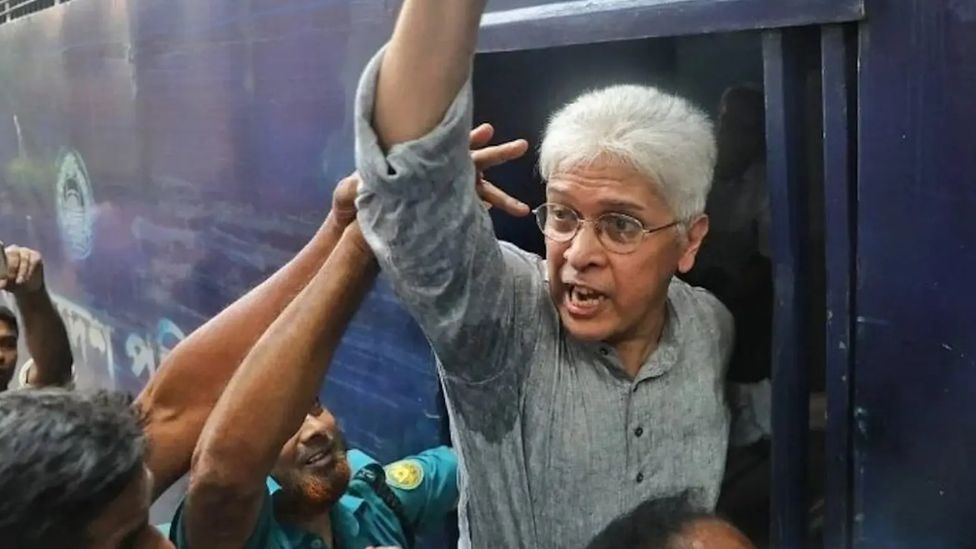
72 human rights organisations stand in solidarity with Adilur Rahman Khan and ASM Nasiruddin Elan, two prominent Bangladeshi human rights activists from the Odhikar group, after they were sentenced to two years’ imprisonment as retaliation for their human rights work.

On 14 September 2023, Adilur Rahman Khan, Secretary of Odhikar, as well as a member of the OMCT General Assembly and FIDH Secretary General, and ASM Nasiruddin Elan, Director of Odhikar, were sentenced to two years in prison and a fine, following ten years of relentless judicial harassment. The two men were remanded at Dhaka Central Jail. Khan and Elan’s lawyers plan to appeal the decision once the court has issued its written judgment, which could take months.

The case was launched after Odhikar, a member of the OMCT SOS-Torture Network and of the FIDH, published an investigative report documenting extrajudicial killings by the State in response to a protest in May 2013. In 2013, Adilur Rahman Khan and ASM Nasiruddin Elan were arbitrarily detained for 62 and 25 days respectively before being released on bail. Since then, they have been subjected to continuous judicial harassment, with Bangladeshi courts repeatedly dismissing their requests without serious legal grounds, prosecuting witnesses without the consent of the defendants’ lawyer or allowing them enough time to prepare for cross-examination, in clear violation of the internationally recognised right to a fair trial.

The Bangladeshi authorities accelerated hearings in their case following the adoption of US sanctions against the Rapid Action Battalion (RAB), a notoriously abusive paramilitary organisation, and its leaders in December 2021, as they blamed human rights groups such as Odhikar for this outcome. Over the years, Khan and Elan, as well as Odhikar, have been subjected to smear campaigns, criticised, and demonised by the government for their human rights work. Odhikar’s registration was finally denied for renewal in June 2022 after being pending for eight years.

In Bangladesh, human rights violations committed by the security forces, including enforced disappearances, extrajudicial killings, and torture, remain rampant throughout the country, with absolute impunity. Instead of prosecuting and punishing those who document and expose human rights violations, the government should investigate and hold to account the perpetrators of these violations.

The harassment of Odhikar has been widely condemned by the United Nations Special Procedures, the UN High Commissioner for Human Rights, the UN Secretary-General in its latest report on reprisals, and the European Parliament.

We call on the authorities of Bangladesh to immediately and unconditionally release Adilur Rahman Khan and ASM Nasiruddin Elan, to overturn their convictions and to put an end to the judicial harassment to which they are subjected.

We also call on the international community to take a firm stand in support of human rights defenders in Bangladesh and to demand the release of all those behind bars as retaliation for their legitimate and unfailing work.

We stand in solidarity with Adilur and Elan.

Inspired by their courage, commitment, and resilience, we will continue to fight until they are freed and can continue their vital human rights work without fear of threat.

Signatories. 


First findings of the Promo-LEX Observation Mission for General Local Elections from 5 November 2023

Promo-LEX Association launched on Tuesday, 5 September, the work of the 25th Election Observation Mission (OM) and presented the first Monitoring Report of general local elections from 5 November 2023.

The Promo-LEX OM consists of the core team and 40 long-term observers (LTOs) who will observe the electoral process throughout the electoral period. On Election Day, OM will observe the elections by covering 100% of the polling stations in Balti and Chisinau municipalities (in both rounds of voting, where applicable) with one short-term (static) observer per polling station. Other approx. 200 static observers and 140 observers in mobile teams (70 teams of 2 persons each) will be deployed to polling stations in the rest of the country, selected based on a representative sample. Promo-LEX will also monitor hate speech and discrimination through 7 observers.

The Promo-LEX OM will present five interim election observation reports and a Final Report. On Election Day (first and second rounds) parallel vote counting will be conducted for Chisinau and Balti municipalities.

The first Monitoring Report of the local elections from 5 November 2023 includes the results of the observation from 1 January 2023, the date of entry into force of the new Electoral Code and covers the pre-election and election period until the start of the nomination of candidates for elective office for level II constituencies – 6 September 2023.

First elections organised and conducted under new legal provisions

In Promo-LEX’s opinion, most of the amendments to the Electoral Code are beneficial and aim to address the problems reflected in the monitoring reports of national and international observers, in the addresses of the Constitutional Court, but also in the opinions of the Venice Commission. In the general local elections on 5 November 2023, many rules will be applied for the first time.

The amendment of the Electoral Code, after the election date has been set, in the context of the implementation of the Constitutional Court ruling on the unconstitutionality of a political party, may create uncertainties regarding the use of the right to be elected and may affect the foreseeability and predictability of the nomination procedures that will already start on 6 September 2023, given that the Venice Commission is due to present its opinion on these amendments in October, when the registration procedure for candidates will already be completed.

Other amendments made to the Electoral Code after the election date has been set include giving electoral bodies the power to make findings of voter corruption. Subsequently, such findings may serve as grounds for the cancellation of registration of an electoral subject. We consider that a criminal act such as voter corruption must be established in a criminal trial, not in an administrative trial. In addition, there may even be concerns about the applicability of these rules.

Nomination of candidates before the legal deadline

According to the electoral calendar, the procedure for nominating candidates for elective office is to start on 6 September 2023 for candidates for elective office in LPA level II, and 26 September 2023 – for LPA level I.

Contrary to this calendar, Promo-LEX OM identified, only for the municipality of Chisinau, at least 11 political parties (PPPO, PDCM, PACE, PAS, LOC, CUB, PPPDA, PL, PSDE, PSRM and CC) that have publicly declared their representatives who will run for mayor. At the same time, two other party leaders announced their intention to run for mayor of the municipality of Chisinau – Ion Ceban (MAN) and Vasile Costiuc (PPDA). For the office of mayor of Balti municipality, the intention of Nicolae Grigorișin (PS) to run for mayor of Balti was noted. And for a number of LPAs of level I, at least 6 parties (PAS, PACE, PDCM, PPR, CC and PSDE) have publicly announced their nominees for mayor.

Promo-LEX OM finds that the procedure for nominating candidates, in the format provided by the Electoral Code, seems to be reduced to a mere formality, and the de facto nomination of candidates before the legal deadline, as well as their electoral political promotion before the start of the electoral campaign, may affect the principle of equal chances of electoral competitors, as well as contribute to a certain extent to circumventing the legal provisions on campaign financing. 

Election-themed promotional activities before the official start of the campaign

According to the calendar program approved by the CEC, the election campaign for all electoral competitors is set to begin 30 days before the voting day, which is on 6 October 2023. Starting from this date, electoral competitors will have the right to conduct electoral campaigning.

Promo-LEX OM has witnessed, prior to the submission of the report, election-themed promotional activities of potential candidates in the case of 4 parties (PAS, PSRM, PSDE, PPPDA). The most used types of activities were: installation of nominal street tents, distribution of nominal flyers and newspapers and promotion on social networks.

It should be noted that in the case of PAS, following a complaint by a political party, CEC, by Decision No. 1126 of 14 July, issued PAS with a warning and drew attention to the need to comply with electoral legislation.

We reiterate that, in the opinion of Promo-LEX, the political election-themed promotion of candidates before the start of the electoral campaign negatively influences the principle of equal opportunities of electoral competitors, contributing to the circumvention of legal provisions on electoral campaign financing.

Misuse of administrative resources

In the run-up to the electoral period, Promo-LEX identified several instances of the misuse of administrative resources, involving expenditures from the public budget with the aim of gaining political advantage. These cases involved two public authorities of level II: the City Hall of Chisinau Municipality and the City Hall of Balti Municipality. In both cases, unplanned informational materials with a clear electoral bias were prepared, which could be considered as activity reports of local public authorities (LPA). This contradicts the Law on Publicity, which stipulates that messages of public interest cannot contain information regarding managerial achievements and/or objectives accomplished by entities in the public sector.

We note that on August 24, 2023, as a result of qualifying the informational materials distributed by the City Hall of Balti as a misuse of administrative resources, CEC prohibited the public authority from disseminating these materials.

Another situation, assessed by Promo-LEX as the use of administrative resources, concerns PSRM, where the distribution of newspapers promoting the candidate for the position of mayor of Chisinau, Adrian Albu, was observed. In the content of the newspaper, PSRM took credit for numerous activities implemented at the level of the Chisinau Municipal Council using public funds (repairs of roads, parks/squares, kindergartens, schools, healthcare assistance programs, etc.).

We note that the new Electoral Code provides a more comprehensive definition of the notion of administrative resources, and it prohibits and sanctions their use by candidates during electoral periods. Observing that the misuse of administrative resources is admitted by actors concerned not only during electoral campaigns but also outside of them, including for political promotion, Promo-LEX previously recommended regulating the prohibition and sanctioning of the use of administrative resources both during and outside of electoral periods.

Stricter financing of electoral campaigns

Promo-LEX OM will closely monitor the implementation of the new electoral campaign financing rules, as well as the financial reporting requirements of electoral competitors. Traditionally, we will estimate the expenses incurred by electoral contestants during the electoral campaign for their promotional activities. These expenses will be compared to the ones declared to CEC in their reports on campaign financing. This will enable us to assess the level of transparency and fairness in electoral campaign financing.

The strengthening of CEC’s role in overseeing and controlling the financing of electoral campaigns and the activities of initiative groups in the new electoral legislation represents a substantial qualitative leap. Promo-LEX has consistently recommended strengthening the role of CEC and adopting a proactive approach in monitoring the finances of electoral competitors and political parties. However, significant challenges in this regard include the lack of sufficient human resources within CEC’s specialized Directorate to implement the new legal provisions and the risk of excessive politicization of this issue in the public sphere once the financial transparency requirements for political parties and electoral competitors are rigorously implemented.

Filing and examination of notifications

At the time of drafting the report, CEC has approved 4 decisions on notifications submitted in the electoral context. These concern 12 notifications from: 6 police inspectorates (1 decision) and 5 political parties (3 decisions). The subjects concerned were: Political Party „Renaștere” (PR) (6 notifications), PAS (3 appeals), the Mayor of Chisinau municipality (1 a notification) and City Hall of Balti municipality (1 notification). All the notifications pertained to the dissemination and distribution of advertising materials. In the case of PR, the materials were without identifying elements, and in the case of the Mayor of Chisinau, the Balti City Hall and PAS – materials „for the purpose / with elements” of electoral campaigning.

During the same monitoring period, the „Incoming documents” section of the CEC website identified 6 notifications and one Supplement to a notification. It is worth noting that the actual notification to which the Supplement was submitted was not found in the list of incoming documents. All the notifications were filed by the political party National Alternative Movement (MAN), targeting PAS, alleging that „the party’s candidates would benefit from an illegal period of dissemination of electoral campaigning”. According to CEC website, at the time of drafting the Report, the authority sent 2 responses explaining its position on 2 notifications (including the one with the supplement). In this context, for better information of actors concerned Promo-LEX recommended the Central Electoral Commission to ensure the publication on its website of all notification and complaints registered in the chancellery.

The full report is available here.

The report was prepared with the financial support of the United States Agency for International Development (USAID) under the Democratic Transparency and Accountability Programme and of the European Union under the project „Strengthening the electoral legislative framework and assessing its implementation during the 2023 general local elections”.

*If there are any discrepancies between the text in Romanian language and its translation into another language, the Romanian version of the report will prevail.


Following the murder of Oleg Horjan, Promo-LEX requests the intervention of the UN Special Rapporteur on the serious situation of freedom of expression in the Transnistrian region

In the context of the murder of political activist Oleg Horjan, but also as a result of serious violations of freedom of expression in the Transnistrian region of the Republic of Moldova in recent times, the Promo-LEX Association sent an information note to Irene Khan, UN Special Rapporteur on the promotion and protection of the right to freedom of opinion and expression. Promo-LEX Association requested its prompt intervention and encouraged to send to the constitutional authorities of the Republic of Moldova, but also to the de facto administration, concrete recommendations for ensuring the observance of freedom of expression on the left bank of the Dniester River.

More than 30 years after the declaration of independence of the Republic of Moldova, effective mechanisms for the protection of human rights in the Transnistrian region are completely lacking. This territory is still not accessible to national and international monitoring institutions, and the presence of impunity perpetuates the systemic violation of human rights and fundamental freedoms. The lack of effective control should not exempt the constitutional authorities from real actions to promote and protect human rights, including by sanctioning individuals guilty of committing serious abuses.

The most recent victim is Oleg Horjan, a political activist from the left bank of the Dniester River, killed on 17 July 2023 in suspicious circumstances in his own home in the municipality of Tiraspol, Transnistrian region (security zone). Oleg Horjan was one of the few public figures who had the courage to fight for the fundamental rights and freedoms of the inhabitants of the Transnistrian region, being released from illegal detention at the end of December 2022.

The violent circumstances of the murder of Mr. Oleg Horjan raise serious concerns about the safety of people expressing dissent against the de facto regime in Tiraspol.

Several individual cases and situations occurred in recent years highlight the alarming state of non-observance of freedom of expression in the Transnistrian region. Persons were persecuted for flying the flag of Ukraine, participating in peaceful public meetings, for critical opinions on the de facto administration in Tiraspol, for criticizing Russian troops illegally stationed on the left bank of the Dniester River, the peacekeeping mission or the so-called president of the “rmn”.

Moreover, the de facto administration has made changes to the so-called local legislation, which are contrary to human rights standards. The most recent obstacle to the defense of human rights and fundamental freedoms is the “legalization” of the prohibition to submit complaints and referrals to national and international institutions. In addition, inconvenient persons or those who promote and formulate ideas that contradict propaganda or the messages of the de facto administration are immediately passed through the procedures of the repressive system, lacking in legitimacy and elementary guarantees.

Considering the worrying developments in the Transnistrian region, Promo-LEX asked the Special Rapporteur to provide recommendations to the actors responsible for the human rights situation in the Transnistrian region, as follows:

  • General Prosecutor’s Office of the Republic of Moldova to ensure a thorough, impartial and transparent investigation of the circumstances of Mr. Oleg Horjan’s death. To promote the need for independent, transparent and comprehensive investigations on this case.
  • The international community to put in place specific sanctions, travel bans and asset freezes in line with international human rights obligations of persons participating in serious human rights violations.
  • The de facto administration of Tiraspol to immediately cease all violations of freedom of expression and association, to revoke the so-called laws and any other regulations limiting freedom of expression, to respect and support international standards on human rights.


STATEMENT of the Promo-LEX Association with regard to special restrictions of the right to vote in the general local elections of November 5, 2023

On July 24, 2023, the CEC published a press release, briefly explaining the voting restrictions established by art. 160 of the Electoral Code. Undoubtedly, informing citizens about the changes made is necessary and beneficial, but unfortunately, it seems to be insufficient, considering that the novelty and the restrictive nature of these provisions are causing some concerns.

According to art. 160 para. (1) of the Electoral Code in force, voters who are not registered at their domicile or at a temporary residence in the respective administrative-territorial unit do not participate in local elections. This norm existed in the old Electoral Code, too.

At the same time, in the new Electoral Code, we find, in para. (2), the new restrictions that will, for the first time, be applied in the local elections of November 5, 2023. Thus, in order to be able to vote, the citizens must have their domicile or temporary residence registered at least 3 months before the date of the first round of voting, i.e., by August 5, 2023.

In this context, the Promo-LEX Association emphasizes the fact that the introduction of the 3-month deadline for changing the domicile or residence was aimed at preventing the “artificial migration” of voters, a phenomenon previously observed in some settlements during the local elections of 2015[1] and 2019[2].

Such a measure was promoted by the Promo-LEX Association and by the international election observation missions[3], being in accordance with the Code of Good Practice in Electoral Matters[4]. At the same time, we remind you that, in its opinion on the draft of the new Electoral Code, the Venice Commission also appreciated this measure as a reasonable precaution for the integrity of local elections[5].

However, when drafting the recommendations and consulting the draft of the new Electoral Code, the Promo-LEX Association emphasized that by solving the problem of “artificial migration” we must not unduly affect the citizens’ voting rights[6].

We remind you that, in the summary table of the draft of the new Electoral Code, the Parliament expressly mentioned that the technical aspects of the change of residence will be developed in a Regulation. Accordingly, we recommend that the CEC should express its opinion on such sensitive subjects not only through press releases, but primarily by fulfilling its legal obligation.

Thus, we consider that, either in the Regulation on Voters’ Lists or in the one on the State Register of Voters, it is necessary to describe in detail all the possible cases, in which the registration of the domicile or residence within 3 months will affect or not the citizens’ right to vote.

In principle, we consider that in case the voters, having both a domicile and a temporary residence, change one of them within three months prior to the elections, they must have the right to vote according to the domicile or residence that has not been changed. Another case that needs to be regulated is that of students who, obtaining residence visas in the settlement where they study in autumn, risk being limited in their right to vote.

In the context of the above, we recommend the CEC:

  • to develop and publish, in optimal terms, a Regulation that will include all possible cases regarding the registration of domicile or residence within 3 months prior to the elections and that will ensure the observance of the right to vote for all eligible voters;
  • to proactively inform citizens, including through local public authorities, about the new changes/restrictions regarding the right to vote;
  • to explain to the society that the new changes/restrictions are intended to solve the problem of “artificial migration” of voters and are in line with the recommendations of the Venice Commission. Presentation of some statistical data regarding the respective phenomenon would facilitate the understanding of both the problem and the proportionality of the adopted measures;
  • to submit to the Agency of Public Services the request to inform citizens who change their domicile or residence in the period between August 5 and November 5, 2023 about the restrictions on the right to vote in the upcoming general local elections.

[1] https://promolex.md/wp-content/Raport-final-electorala-2015.pdf , page 17-18

[2] https://promolex.md/wp-content/uploads/2019/12/Raport_ALG_2019_web.pdf , page 47

[3]  https://www.osce.org/files/f/documents/4/8/181246.pdf , page 9

[4] https://www.venice.coe.int/webforms/documents/default.aspx?pdffile=CDL-AD(2002)023rev2-cor-rom ,

[5] https://promolex.md/wp-content/uploads/2022/11/Aviz-comun_Comisia-de-la-Venetia_OSCE_ODIHR-ROM_final.pdf , point 53

[6] https://www.parlament.md/LegislationDocument.aspx?Id=02a687df-e877-4e13-b66c-38d66adcb6c2 , page 234-235


Parliamentary Control Exercised by Commission of Inquiry and Commission Regulating the Status of the Parliamentary Opposition in the Republic of Moldova: Realities and Prospects

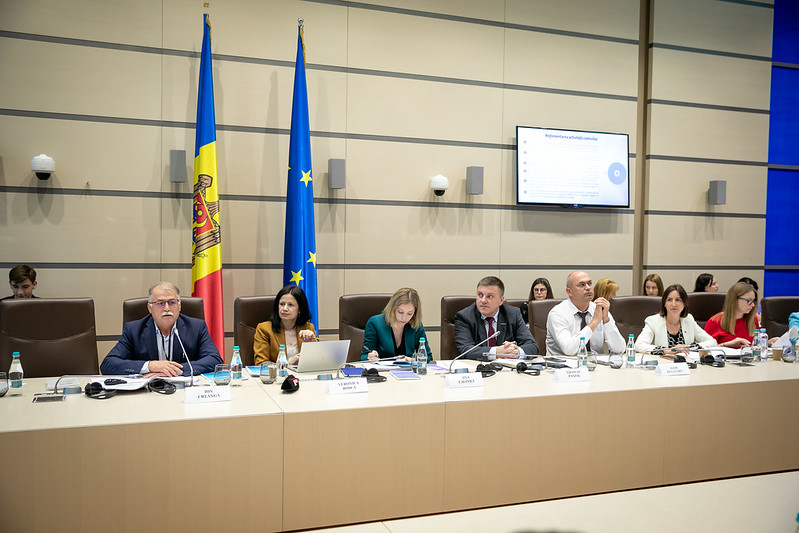
The Promo-LEX Association in partnership with the Parliament of the Republic of Moldova presented on Monday, July 24, two studies in which they analyze the regulation of the status of parliamentary opposition and the parliamentary control exercised by the Commissions of Inquiry.  The studies have been developed by Promo -LEX in collaboration with the Parliament Secretariat. The event was attended by MPs, officials of the legislature, representatives of extra-parliamentary parties, civil society organizations and experts in the field.

The main conclusions of the two studies are resumed to the fact that both the function of parliamentary control exercised by the Commissions of Inquiry and the status of the parliamentary opposition are insufficiently regulated by law, which leads to a series of gaps in the legislature’s activity and affects the quality of the decision-making process.

“Hopefully, today’s discussions about the role of the parliamentary opposition and about the manner in which we build up a legislature that excels in parliamentary control, in this case through the activity of Commissions of Inquiry, will bring us closer to some solutions that will ultimately improve the Parliament’s activity, the quality of the decision-making process and, last but not least, the quality of citizens’ lives”, said, at the opening of the event, Nicolae Panfil, Promo-LEX Program Director.

He noted that the event has taken place shortly after the announcement of the public consultations on the draft Code on the organization and functioning of the Parliament and can contribute to the improvement of this important document, which will exhaustively regulate the status of the parliamentary opposition and the function of parliamentary control.

Veronica Roșca, PAS MP and vice-president of the Committee on Legal Affairs, Appointments and Immunities, has assured the audience that the recommendations and conclusions of the two studies will be used to develop a consolidated legislative framework, which will not make “dead rules”, but rather rules that will be applicable and intended to make each MP responsible.

The study on the parliamentary control exercised by the Commissions of Inquiry in the period of 2015-2023 has revealed several gaps, including insufficient regulation of the organization and operation of the commissions of inquiry; frequent modification and non-compliance with the deadlines established by the decisions of the commissions of inquiry; lack of a clear outcome of the commissions’ recommendations and lack of mechanisms for monitoring their implementation.

In the reference period, only 1/3 of the total number of initiatives to form commissions of inquiry were accepted by the Parliament. Almost half of the established commissions did not fulfill their duties outlined by the founding decisions and did not submit their reports for examination and approval to the plenary session of the Parliament.

The authors of the study Dina Boțan, Promo -LEX analyst, and Ion Creangă, head of the Parliament’s General Legal Department came up with a list of recommendations, including: supplementing the legislation with clear regulations regarding the organization and operation of commissions of inquiry; regulating the cases when the report of the commission of inquiry is not submitted for examination and approval to the plenary session of the Parliament; outlining the responsibilities of standing commissions on the execution of the Parliament’s decisions regarding the reports of the commissions of inquiry and the manner of reporting by the Government and other authorities/institutions referred to in the reports, institutionalization of a monitoring mechanism for the implementation of the recommendations of the commissions of inquiry.

The main finding of the second study “Regulating the status of the parliamentary opposition in the Republic of Moldova” is that the legislation does not sufficiently regulate or institutionalize the status of the parliamentary opposition. There are no legal provisions or mechanisms that would describe the fullness of the relations between the majority and the opposition. The relationship between the parliamentary majority and the opposition is based on confrontation and lack of an institutionalized communication aimed at common solution of problems. Although, along the way, some initiatives aimed at consolidating the institution of the parliamentary opposition have been approved, they are few and insufficient to change the overall situation. Moreover, some legislative projects that developed separate norms regarding the status and role of the parliamentary opposition did not end up being approved.

Having analyzed the situation in the last three legislatures, starting from 2014, the authors of the study, Igor Bucătaru, Promo-LEX main electoral analyst, and Silvia Cojocari, main consultant of the General Legal Department of the Parliament, found that the opposition was not fully involved in the legislative procedure. The share of draft laws submitted by the opposition and adopted was, on average, 5.3 times lower than that of the majority’s initiatives. The “opposition day” rule was not respected. And the frequent absences of opposition MPs, including absence in corpore, does not necessarily show disinterest in the plenary sessions and the topics examined, it can rather be a sign of protest (boycott).

The main recommendations formulated by the authors of the study are: a thorough revision of the Parliament’s Regulations or the approval of a new, complex normative act, in the form of a Code, in which a separate chapter will be dedicated to the parliamentary opposition; regulating the rights of the opposition to approve draft normative acts, to organize consultations and public hearings, to be represented in all bodies; establishing a clear mechanism that would ensure the examination of draft normative acts presented by the parliamentary opposition and institutionalizing a dialogue platform between the majority and the opposition.

The two studies can be consulted here: Parliamentary control exercised by the Commissions of Inquiry  and Regulating  the status of the parliamentary opposition in the Republic of Moldova .

The policy documents have been produced by the Promo-LEX Association within the framework of the “Democracy, Transparency and Accountability” Program, funded by the United States Agency for International Development (USAID).