Violations found by Promo-LEX Association on the eve of the local referendum on the dismissal of Chisinau General Mayor and the new local elections in 10 settlements

On 17 November 2017, Promo-LEX Association published the second report of the Observation Mission for the local referendum on the dismissal of Chișinău General Mayor and the new local elections of 19 November 2017.

Legal deviations were found in the electoral process both in Chișinău, and in the 10 settlements where new local elections will be held on 19 November, this year: town of Sângera-Chișinău, township of Berlinți-Briceni, township of Zârnești-Cahul, township of Plopi-Cantemir, township of Stefanesti-Floresti, village of Fundurii Noi-Glodeni, township of Lapusna-Hâncesti, township of Sărăteni-Leova, village of Căpriana-Strășeni, township of Ghiliceni-Telenești.

Expenditures of the participants in the Chișinău referendum – more transparent
Promo-LEX observers noticed a better reporting on TV, printed media, radio and online advertising and it also found a deficient reporting on the promotional, outdoors and mobile materials, transport expenses and volunteer involvement.

On the other hand, during 28 October – 10 November 2017, the participants used funds that were not declared fully. They also failed to include certain expenditures in the reports submitted to the Central Electoral Commission (CEC). The non-reported expenditures amounted to about MDL 285,000.

4 times larger donations for PSRM
The local referendum on the dismissal of Chișinău General Mayor was supported by individuals only. Thus, THe Liberal Party (PL) had 7 donors, who contributed with MDL 285,000; whereas The Socialist Party of Moldova (PSRM) had 15 times more donors (a total of 115), who contributed with about MDL 1,200,000 – 4 times more than in the case of the first participant. Moreover, the participants barely reached 11% of the threshold established by CEC (MDL 16,508,739.00).

Administrative resources used during the campaign
Both parties, competing in the Chisinau local referendum, organised meetings with voters during the working hours. Such meeting were held in healthcare facilities, educational and public institutions. Ten such cases were reported during the reporting period: PSRM – 4 cases, and PL – 6 cases. The First Promo-LEX Report found only one violation of this type, committed by PSRM.

Equipment of polling stations – satisfactory
The phone survey, made by Promo-LEX Association, revealed that most polling stations have the necessary conditions for their work – heating, Internet connection, and sufficient light.

Activity of electoral management bodies
The electoral management bodies worked according to the established timetable. However, about 20% of the visited electoral offices of the polling stations were not open during the working hours.

CEC adopted decisions regarding the receipt of financial statements, accreditation of observers, and changes to the membership of Chisinau Electoral Council. 453 Promo-LEX observers were accredited. In addition, 4 international observers were accredited (from Netherlands and Romania).

On the other hand, the complaints filed with regards to both the Chișinău referendum and the new local elections were rejected by CEC.

Lack of clarity on how to vote on the basis of a Voting Rights Certificate
Promo-LEX found a lack of a clear definition of the procedure of voting on the basis of a Voting Rights Certificate, its role in the electoral process and who can vote under this procedure.

In general, voters may vote at the polling station in the vicinity of the address provided in the loose leaf of the ID card. However, the law allows people to vote also on the basis of a Voting Rights Certificate at local elections (in the same constituency) or at a local referendum. On the other hand, Promo-LEX noticed that CEC had allowed voting on the basis of such a certificate only to members of the electoral offices. Therefore, this opportunity will not be available to those who would like to vote at their workplace, but who are included in the list of voters at another polling station, close to their domicile or place of residence.

Paved pathways by a competitor in the new local elections
The law prohibits provision of any goods or services during the election campaign. However, a candidate from the Democratic Party of Moldova (PDM) contributed to the repair of the Postal Office, and to paving the pathways that go to the main road.

Other violations are related to displaying promotional materials on a gas pipe, while the law allows it only on the spaces provided by the authorities or private panels.  Moreover, an independent candidate incurred expenditures without opening a ‘Electoral Fund’ bank account and without reporting to the relevant authority. Like in the case of the Chișinău referendum, some of the distributed leaflets did not state the name of the printing house and the number of the copies issued.

Hate speech
Promo-LEX Association draws the attention on elements of hate speech in competitors’ messages. Thus, Promo-LEX recorded a number of messages containing elements of denigrating or hate speech. They mainly targeted Dorin Chirtoacă – in at least 5 cases, and one case the hate speech came from the respective person.

‘Ieși la VOT!’ (‘Come and Vote!’) Promo-LEX Campaign
Under the ‘Ieși la vot!’ campaign, the Association informed door to door about 3400 voters and organised debates with candidates to the position of mayors in the settlements where new local elections will take place.

For more details please see the full version of the report.

The Observation Missions for the local referendum on the dismissal of Chisinau General Mayor and the new local elections of 19 November 2017 are funded by the United States Agency for International Development (USAID) and are co-funded by the Justice and Human Rights Development of Soros Foundation-Moldova.

Contacts: Emil Gaitur, Promo-LEX Communicator – tel.: +37369172642; email: [email protected].


A Study For the European Parliament Found That the Electoral Reforms in Moldova, Georgia and Ukraine Were Made in a Rush

Chișinău, 14 November 2017 – Promo-LEX Association lines up with the conclusions of the study published by the European Parliament on the importance of respecting the recommendations of the Venice Commission on the electoral system of Moldova.

It is particularly stressed that the process of electoral reform on the mixed electoral system has been controversial and that this process has also largely disregarded the conclusion of the Venice Commission and OSCE/ODIHR. On the other hand, the paper points out that unlike the political parties that were promoting their own take in the spring of 2017, Promo-LEX held its own series of inclusive debates, including in the regions. The paper also mentions that whilst certain political parties and civil society organisations opted out of the discussions on these legislative changes: “the leading citizen observer group Promo-LEX participated, but its recommendations were not taken on board.”

Promo-LEX recalls that these institutions pointed to the lack of a consensus building approach on this polarising issue, and that such a change is not advisable. Moreover, the mixed system ‘could potentially have a negative effect at the local level, where independent majoritarian candidates may develop links with or be influenced by local businesspeople or other actors who follow their own separate interests.` The paper also encourages solutions on the representation of Moldovan citizens from the breakaway region of Transnistria and from abroad. Similar conclusions were also reached in the study made by Promo-LEX on “The Electoral System Design in Moldova.”

The authors of the study have also mentioned the Statement of Promo-LEX Association, thereby this nongovernmental organisation gave a critical opinion on changing the way MPs are elected. Particularly, the study draws the attention of EMPs to the fact that in such states as Ukraine, Georgia and Moldova are changes in the rules on parliamentary elections are introduced in a rush, lacking genuine inclusive, thorough and public debate.

The paper also urges the European Parliament “[to] Encourage support for civil society organisations to actively promote and monitor issues of public accountability throughout the electoral cycle, including between elections.”  Concurrently, the EMPs are called upon to keep in the loop the way civil society organisations are allowed to freely conduct their activities.

The conditions on the European financial assistance is another issue that the EMPs are called upon to bear in mind, as well as the fact that the Chișinău administration should make efforts on fighting corruption, money laundering, observe human rights, to ensure a merit-based civil service, as well as the independence of the judiciary media. Following the banking fraud in Moldova, another conditionality is a result-oriented investigation thereof and a closer supervision of the banking and financial sectors.

The study on the electoral reforms in three association countries of the European Neighbourhood – Ukraine, Georgia and Moldova was delivered upon the request of the European Parliament and was published at the beginning of November 2017.


Promo-LEX Reiterates and Presents New Findings on Human Rights Situation in Transnistrian Region

No improvements were made in the first half of 2017 year with regards to the rights of citizens from the left bench of Nistru river. However, Promo-LEX found that progress may be achieved in case nongovernmental organisations, journalists and lawyers would be allowed to work unhindered, and if people guilty of human rights violations would be held liable.

The freedom of movement, the right to education and to the right to property are frequently infringed in Transnistrian region. For instance, the 33 illegal customs check-points are a source of direct impediments against freedom of movement, including the filling-in of “migration cards.” Moreover, there are still applicable the lists of persona non-grata, which are amended with no clear criteria.

50€ fine for the use of Latin alphabet

The right to education has multiple restrictions imposed by the so-called authorities from the breakaway region, particularly when it comes about the Latin script. Thus, the mere use of the Latin alphabet for the “Moldovan” language is punishable by a fine of 50 euro. Similarly, in the case of the High School “Evrica” of Râbnița town, which has a Romanian language teaching curricula, the institution is under the obligation to pay over 30.000 euro a year for renting the premises.

Thousands of farmers are not getting back their lands, for 13 years

The inhabitants of Dubăsari district were left with no croplands for 13 years already, whilst the so-called administration of Tiraspol gave these lands for rent to local businessmen. The problem gets even bigger when an important detail is brought into light – the surface of the lands is about 6.000 hectors, which makes it almost half of the surface of this district.

No tangible results delivered by the authorities

Although the President Igor Dodon has apparently established a friendly relationship with representatives of the Tiraspol regime, following his meetings with Putin and other officials of Kremlin administration no concrete approaches resulted. At their turn, civil servants of the Bureau of reintegration, following some 50 meetings with external partners, no efficient mechanism was established on monitoring and ensuring human rights in the region. Moreover, in the first half of 2017 year, the European Court of Human Rights delivered four judgments on the rights and freedoms of the inhabitants from the left bench of Nistru river, thereby Russia was ordered to pay damages to the victims amounting to some 200.000 euro (!). On the other hand, following the judgment of the Constitutional Court of Moldova that declared as unconstitutional the stationing of any military troops or bases on the territory of the Republic of Moldova, managed and controlled by foreign states, Tiraspol simplified at its most the mechanism of acquiring the citizenship of the self-proclaimed Transnistrian republic for Russian soldiers.

The ECtHR – international court examining human rights violations in Transnistrian region

According to Promo-LEX, ”the judgments delivered by the ECtHR must be more strongly promoted by relevant institutions, so that there would be figured out efficient ways to monitor and defend human rights in Transnistrian region.” Otherwise, there is a perpetuation of the situation whereby those who are in need of help are discouraged to ask for it, and those guilty of trespassing the law are not held liable.

However, the findings made by the experts might have a way to be tackled speedier in case international organisations (United Nations, Council of Europe, European Union) would put pressure on the regional administration, in order for journalists, nongovernmental organisations and lawyers – including those from the right bench of Nistru river – would not be hindered in their work in the region. As a result, the experts would be able to come up with explicit and good solutions in order to safeguard human rights in Transnistrian region.

Monitoring human rights in Transnistrian region is carried out by Promo-LEX within the project ”Promoting human rights in the Transnistrian region of the Republic of Moldova” financed by the National Endowment for Democracy. For more details, feel free to read the report here.


Promo-LEX: Political Parties Make Progresses in Submitting Financial Statements to CEC, But Are Still Hiding Their Actual Expenses

FINANTAREA PARTIDELOR_28 SEPTEMBRIEPromo-LEX Association analysed the political parties’ financial statements for the Ist semester of 2017, submitted to the Central Electoral Commission, and conducted the civic monitoring of political parties funding for the same reporting period. At the round table on ‘Political party funds in the first half of 2017. Progress, regress or stagnation?’, held on Thursday 28 September 2017, Promo-LEX experts mentioned the conclusions from the ‘Monitoring of Political Party Funding in the First Half of 2017’ Report.

Though experts have found that the legal framework on the funding of political parties did not change during the reporting period, meaning that it did not improve, certain positive aspects can be highlighted: the ceilings of donations made by individuals and legal entities in election campaigns decreased, volunteering will be reflected in the financial statements during the election period, the parties will be able to transfer money to the account of the election candidate once they specify their primary donors in their financial statements.

The concerns of national and international observers regarding the funding of political parties and of election campaigns, stipulated in the Joint Opinion of the Venice Commission, were ignored. In this context, Promo-LEX found that the Parliament of the Republic of Moldova did not settle the legal shortcomings raised in the formal letters filed by the Constitutional Court within the term provided by law – by 13 March 2017, nor by 30 June 2017.

Financial Reporting by Political Parties in the First Half of 2017

The Promo-LEX Association found that political parties made progresses in submitting financial statements.  Thus, 35 of 45 political parties submitted their financial statements for the Ist semester of 2017 to the Central Electoral Commission (CEC), which constituted 78% of the total number of political parties registered with the Ministry of Justice.

However, 10 political parties (PSM, PPUM, PNOI, PE, PPDM, PPM, PSM, PPPR, PSP, PRM) did not submit their semi-annual financial statements, except a party (PPP), the statement of which was uploaded on the website of CEC without CEC’s seal with the assigned number and the entry date. Therefore, the date of submission to CEC could not be identified. According to CEC official website, 3 political parties (PCRM, PLR, PFSM) did not submit all the mandatory financial documents.

Political Parties’ Funding Sources in the First Half of 2017

Donations are the main source of funds for political parties in the Ist semester of 2017, amounting to a total of MDL 30 864 016. The next funding sources are: revenue obtained from property management activity – amounting to MDL 26 009 229, followed by state budget subsidies – amounting to MDL 19 966 551 and membership fees – amounting to MDL 4 125 299.

The Promo-LEX Association emphasizes that PCRM, PAS and PDM are those 3 political parties that obtained revenue from economic activities. However, the highest revenue of MDL 26 000 000 was registered by PCRM from sales of assets.

Revenues and Expenses of Political Parties in the Ist Semester of 2017

According to the financial statements submitted to CEC, 23 of 35 political parties reported revenues amounting to MDL 81 317 206. At the same time, they spent MDL 48 682 937 in the first half of 2017.

The expert, Cornelia Calin, has stated that: ’PDM had the highest revenue in the Ist semester of 2017 – MDL 35 156 846, which accounts for 76% of its revenue collected during 2016. The rest of the parties accumulated the following revenue, in the reporting period: PPDA – MDL 298 952, PAS – MDL 201 694, PAD – MDL 365 005, MPA –  MDL 218 875, PSRM – MDL 4 337 012, PVE – MDL 19 393, PDA – MDL 41 789, PPPN – MDL 2 323 158, PPRM – MDL 140 33, PPEM – MDL 62 750, PCRM – MDL 2 933 5856, PLDM – MDL 4 573 217, PLR – MDL 521 671, PNL – MDL 102 659, PPS – MDL 694 897, PL – MDL 2 263 548, PSD – MDL 194 201, PReg – MDL 194 825, PPCNM – MDL 17 269, PPUCM – MDL 39 992, PPCD – MDL 80 463, PUN – MDL 133 000.’

Traditionally, most of the expenses were made for print media and promotional materials –  MDL 36 041 664 (74% of the total expenses); followed by expenses for party offices and their maintenance – MDL 4 345 568 (9%); staff expenses – MDL 3 504 581 (7%) – expenses for meetings and public events – MDL 2 217 465 (5%). Expenses for national and international trips, expenses for telecommunications, payment of membership fees in international organisations, expenses for bank commission/office supplies constituted 1% each.

Civic Monitoring of Political Party Funding and Estimation of the Unreported Expenses

As the results of the monitoring carried out by Promo-LEX in the Ist semester of 2017 show, 12 political parties did not report fully their expenses, the total amount of which was estimated at MDL 21 120 510 (PDM – MDL 18 817 703, PN – MDL 521 718, PSRM – MDL 496 390, PL – MDL 623 184, PCRM – MDL 282 363, PPEM – MDL 222 670, PPDA – MDL 59 892, PAS – MDL 48 213,  PPS – MDL 23 517, PLDM – MDL 13 628, PVE – MDL 9 000, PNL – MDL 2 232). 

Thanks to the monitoring of both central offices and territorial branches of political parties, Promo-LEX found that 15 political parties managed 201 offices, 226 employees and 2 private vehicles. Thus, the experts found that the following parties did not report all of their rented offices: PDM – 24 offices, PPDA – 8 offices, PCRM – 2 offices, PN – 1 office, PPEM – 3 offices. In addition, those 15 political parties monitored at territorial/district and central level had volunteers that conducted several party activities pro bono. Experts estimate that these political parties did not report at least 123 employees.

The Promo-LEX Report also shows that 15 political parties conducted 1 441 promotional activities and events. According to the data provided by Promo-LEX observers, for purposes of the 1 441 events, at least 167 056 km were travelled across the country and at least 21 trips were made abroad in the interest of the party. At least 6 political parties (PSRM, PN, PPEM, PL, PPDA, PPS) did not report an amount of MDL 224 372 for national trips and 5 parties (PDM, PSRM, PCRM, PAS, PPDA) avoided to report an amount of MDL 18 435 051.

According to the Promo-LEX findings, 5 political parties used administrative resources during the Ist semester of 2017 (PSRM – 3 cases, PDM – 13 cases, PN – 1 case, PL – 4 cases, PCRM – 3 cases). The abuses consisted in using the Government vehicle, using public spaces and material resources (LPS facilities), using human resources during working hours, providing public spaces for free.

The Promo-LEX observers reported about the practice of transferring the image through promotional activities conducted by philanthropic organisations associated to politicians or by limited companies associated to parties. Through its activities, the foundations or institutions, the names of which contain names of politicians or which are associated with certain politicians (political parties) get indirectly involved in political promotion activities. Promo-LEX observers identified three such foundations: ‘EDELWEISS’ Foundation of Vlad Plahotniuc, ‘Renato Usatii’ Foundation and ‘Solutia’ charitable foundation, which had 14 activities and a total donation amount of MDL 1 555 500.  Also, a business entity was identified – ‘Magazine Sociale’ SRL [‘Social shops’ Ltd.], which opened 11 social shops for pensioners – via which a party was advertising itself politically without incurring any costs for it (PPS).

To conclude, Promo-LEX found that the quality of reporting is still imperfect in the first half of 2017. At the same time, the model of financial statement proposed by CEC does not grant full access to the financial information of political parties. The lack of certain expense categories (‘political consultancy’, ‘financial rewards for volunteers and electioneerers’), as well as the lack in the statements of certain fields (‘expenses for street billboards’, ‘expenses for electronic advertising’, ‘expenses for promotional advertising’, ‘written media’) allow the subjects of reporting to generalize data, minimizing thus the transparency of expenses incurred under the above-mentioned categories.

To find out more details about political party funding in the Ist semester of 2017, please check out the Report on https://promolex.md/category/publicatii/.

The ‘Monitoring of Political Party Funding in the First Half of 2017’ Report was developed by Promo-LEX Association under the ‘Democracy, Transparency and Accountability’ Program funded by the United States Agency for International Development (USAID). The opinions presented in the Report belong to the authors and do not necessarily reflect the donors’ view.


Human rights and justice advocates at serious risk in the OSCE region – An appeal from the Civic Solidarity Platform

Over 40 members of the Civic Solidarity Platform, a network of human rights NGOs from Europe, the former Soviet Union and North America, have issued the following appeal on the occasion of the 2017 OSCE Human Dimension Implementation Meeting (HDIM) in Warsaw*:

We, members of the Civic Solidarity Platform (CSP), are alarmed that the environment for civil society has seriously deteriorated in many OSCE participating States since the last HDIM and that civil society representatives who criticize repressive government policies and defend human rights and the rule of law face intimidation and harassment across the region. We are particularly concerned about individuals who have been arrested, criminally prosecuted and imprisoned following unfair trials because of their engagement in support of core OSCE values. We would like to use this opportunity to raise a number of cases of serious concern to us. However, the cases mentioned do not represent an exhaustive list; many other civil society representatives also face intimidation and harassment across the OSCE region for speaking out against injustice, human rights violations and arbitrary actions of authorities.

In Azerbaijan, a new wave of arrests of critical voices has been carried out in recent months. Among those arrested is well-known blogger Mehman Huseynov, who was sentenced to two years in prison on charges of defaming police in May 2017 after he exposed police abuse.[i] In another recent case, journalist Afgan Mukhtarli was abducted in Georgia in May 2017, only to resurface in Azerbaijani custody, where he has since been held in pre-trial detention on multiple charges. Mehman Aliyev, director of the country’s last remaining independent media outlet – the Turan News Agency, is also currently in pre-trial detention on tax evasion and related charges, similar to those previously used against other critical voices.[ii] The Turan News Agency has been forced to suspend its activities. Despite the releases of a number of human rights defenders, journalists and activists in Azerbaijan since late 2015, many others who have been wrongly imprisoned in previous years remain behind bars. The case of opposition activist Ilgar Mammadov is emblematic: the authorities have persistently failed to release him, although the European Court of Human Rights ruled three years ago that he had been deprived of his liberty because of his criticism of the government, in violation of the European Convention on Human Rights.[iii]

Valentina Cherevatenko from Women of the Don became the first NGO leader in Russia to face criminal charges over non-compliance with the notorious “foreign agents” law. In July 2017, she was informed that the charges against her had been dropped. While this announcement was welcome, the threat of criminal prosecution of NGO leaders remains as long as the “foreign agents” law is in place. Currently close to 90 NGOs feature on the government-maintained list of “foreign agents” against their will, while some 70 other groups have been removed from the list after being forced to close down or stop receiving foreign funding. In early September 2017, the SOVA Centre for Information and Analysis and its director Alexander Verkhovsky learned that charges have been filed against them for violating the law on so-called undesirable organizations because of two links to donors listed as such organizations, which were posted on the centre’s website.[iv] A conviction could result in heavy fines. In another problematic development, a growing number of activists and common citizens have been charged under Russia’s broadly worded anti-extremist legislation after posting information challenging government policies on online platforms.[v] Several participants in peaceful anti-corruption protests held across Russia earlier this year were arrested on charges of allegedly using violence against police: some of them have already been sentenced to imprisonment, while other cases are pending.

Critics of Russia’s unlawful annexation of Crimea also face persecution. For example, Crimean Tatar activist and human rights defender Emir Huseyn Kuku remains in pre-trial detention on charges of membership in a banned group,[vi] while Crimean journalist Mykola Semena is on trial for allegedly calling for violating Russia’s territorial integrity.[vii] Ilmi Umerov, the deputy head of the Mejlis of the Crimean Tatars and another outspoken critic of Russia’s annexation of Crimea, has been charged with separatism and involuntarily confined in a psychiatric hospital.[viii]

A series of human rights defenders, civil society activists, trade union leaders, journalists, social media users and other critical voices have recently faced criminal charges in Kazakhstan. The case of activists Max Bokayev and Talgat Ayan is illustrative of this crackdown: they were sentenced to five years in prison in November 2016 because of their involvement in peaceful land reform protests.[ix] The UN Working Group on Arbitrary Detention recently concluded that they were detained in retaliation for their exercise of freedom of expression and assembly and called for their release.[x] In another case that has been widely criticized, trade union leaders Nurbek Kushakbayev and Amin Yeleusinov were charged with criminal offenses and imprisoned after participating in a peaceful hunger strike to protest the closure of an independent trade union.

Freelance journalist Saparmamed Nepeskuliev, who had reported on corruption and other issues, remains in prison in Turkmenistan after being given a three-year sentence on charges of narcotics possession in August 2015. Pro-democracy activist Gulgeldy Annaniyazov has been held in incommunicado detention since 2008 when he was sentenced to 11 years in prison after being arrested for allegedly crossing the border illegally. The UN Working Group on Arbitrary Detention has declared the detention of both men unlawful.[xi] As documented by civil society groups[xii], dozens of individuals imprisoned following politically motivated trials remain disappeared in the country.

In Uzbekistan, several activists and journalists have been released since October 2016; however, many more remain behind bars, including human rights defenders Ganihon MamathanovFakhriddin Tillaev and Azam Farmonov and journalist Yusuf Ruzimuradov, to mention only a few. Lawyers Buzurgmehr Yorov and Nuriddin Mahkamov received prison sentences of over 20 years in Tajikistan last autumn after providing legal assistance to defendants in politically sensitive cases, and Yorov’s sentence has since been extended on additional charges. The UN Special Rapporteur on freedom of opinion and expression has stated that their cases “raise serious concerns about the Government’s commitment to due process and independent legal mechanisms”.[xiii]

The life sentence of human rights defender Azimjan Askarov was upheld at a re-trial, based on the flawed 2010 investigation of his case, in Kyrgyzstan in January 2017. The authorities of the country failed to release him and quash his conviction, as called for by the UN Human Rights Committee in its 2016 decision on the case.[xiv] Journalist Ulugbek Babakulov is facing charges of inciting inter-ethnic hatred because of an article about aggressive nationalism against ethnic Uzbeks published in May 2017. He has fled the country out of fear of politically motivated imprisonment.[xv] Human rights defender Cholpon Djakupova and journalists Narynbek Idinov and Dina Maslova have been ordered by court to pay huge sums in compensation to the president for allegedly defaming him.[xvi]

Henadz Fiadynich and Ihar Komlik, representatives of an independent trade union that was involved in wide-scale peaceful protests against so-called social parasitism legislation in Belarusearlier this year, have been charged with tax evasion on grounds similar to those on which human rights defender Ales Bialiatski was previously imprisoned.[xvii] Komlik is in pre-trial detention, while Fiadynich has been ordered not to leave his home city. Activist Dzmitry Paliyenka is currently behind bars since the two-year suspended sentence he was given after participating in a peaceful cycling protest in 2016 was changed into a real prison sentence in April 2017, and activist Mikhail Zhemchuzhny continues to serve the 6.5-year prison sentence he was given in 2015 following an unfair trial. Ihar Komlik, Dzmitry Paliyenka and Mikhail Zhemchuzhny have all been declared political prisoners by Belarusian human rights NGOs.[xviii] A criminal investigation is still under way against more than a dozen Belarusian opposition activists because of an alleged plot to use armed violence during the mass protests in February-March 2017[xix], to which the authorities responded with heavy-handed tactics and the arbitrary detention of hundreds of people.[xx] 

In the Transnistrian region of Moldova, human rights defenders continue to be subjected to intimidation and harassment in relation for their criticism of the policies of the separatist authorities.[xxi] Members of the Promo-LEX Association have been barred from entering Transnistria because of a criminal case on allegedly threatening the region’s security that separatist security services announced had been opened against the organization in 2015.[xxii]

During the crackdown unleashed by the Turkish government following the failed July 2016 coup attempt, dozens of journalists, lawyers, human rights defenders and political activists have been detained. In a case has caused widespread dismay, eight representatives of civil society groups and two foreign digital and information security consultants were detained at a human rights training in July 2017 and subsequently charged with terrorist-related offenses. These include Özlem Dalkıran(Helsinki Citizens’ Assembly), lawyer Nalan Erkem (Helsinki Citizens’ Assembly), İlknur Üstün(Women’s Coalition), İdil Eser (Amnesty International Turkey director), Veli Acu (Human Rights Agenda Association), lawyer Günal Kurşun (Human Rights Agenda Association), Nejat Taştan(Equal Rights Watch Association) and Şeymus Özbekli (Rights Initiative), as well as Ali Gharawi and Peter Steudtner (foreign consultants).[xxiii] Nejat Taştan and Şeyhmus Özbekli were released pending trial in late July, but are subject to a travel ban. The others remain in custody.

We are also seriously concerned that individuals who stand up for human rights, justice and the rule of law in the OSCE region have increasingly been subjected to other forms of pressure, aside from politically motivated arrest and prosecution. For, example, Arayik PapikyanMushegh Shushanyan and Nina Karapetyants from the Helsinki Association of Armenia, as well as other independent lawyers working on high-profile cases in this country have faced harassment and obstruction in the performance of their professional duties, including disciplinary proceedings that potentially may result in disbarment.[xxiv] In Ukraine, activists who fight against corruption, advocate for environmental and land rights, promote LGBT rights or work in the conflict zone in Donbas have been subjected to threats and various forms of pressure, including criminal investigations. Complaints about harassment filed by them typically receive little attention by authorities.[xxv]

In many countries in the region, human rights defenders continue to be attacked and smeared by government officials and pro-government media, who accuse them of using foreign grants to influence politics and destabilize the situation in their countries. Rhetoric of this kind is commonly used in countries in the post-Soviet region, but has also increasingly been seen in European countries, for example in Serbia and in Hungary, where such arguments were used to justify the recent adoption of legislation requiring NGOs that receive foreign grants to register and label themselves as foreign-funded organizations.[xxvi]

Recommendations

We call on all OSCE participating States to implement the OSCE Guidelines on the Protection of Human Rights Defenders, which are based on OSCE commitments and universally recognized human rights standards that the participating States are bound to respect. In particular, they should:

  • Ensure that no one is subjected to arbitrary arrest, criminalization, unwarranted legal proceedings or any other forms of misuse of judicial authority for acts related to their human rights engagement (OSCE Guidelines, article 23).
  • In the event that criminal charges are brought against them, ensure that human rights defenders are granted a fair trial before a competent, independent and impartial tribunal, in full accordance with international standards (OSCE Guidelines, article 36).
  • Ensure that human rights defenders who are deprived of their liberty are always treated in  accordance  with international standards, without discrimination of any kind and without being singled out for selective treatment to punish them (OSCE Guidelines, article 34).
  • Refrain from engaging in smear campaigns, negative portrayals or the stigmatization of human rights defenders and their work and take proactive steps to counter discrediting of human rights defenders (OSCE Guidelines, article 37).
  • Take action, through their diplomatic missions, to support human rights defenders at immediate risk of arbitrary detention, imprisonment and persecution in other states; and raise threats, arbitrary arrests and other serious human rights violations against human rights defenders through appropriate means with the states concerned, for example, in high-level meetings or at international forums (OSCE Guidelines, articles 98 and 99).
  • Whenever required, facilitate the issuance of emergency visas and relocation support for individual human rights defenders to allow them to promptly leave the country where they are at risk and to ensure effective protection of their family members (OSCE Guidelines, article 100).

We would also like to remind the OSCE participating States, as well as OSCE institutions of the recommendations set out in the Hamburg Declaration on Protecting and Expanding Civil Society Space, which was adopted by the participants in the OSCE Parallel Civil Society Conference held in Hamburg in December 2016.[xxvii] Some of the key recommendations in this declaration include:

  • The ODIHR should restore its focal point for human rights defenders and establish an expert panel on the protection of human rights defenders.
  • The ODIHR should study the implementation of the Guidelines on the protection of human rights defenders by participating States in cooperation with civil society, using reports and information from such organizations.
  • OSCE Chairmanships should prioritize the protection of civil society space and the security of human rights defenders, similarly to several successive chairmanships.
  • OSCE actors should more systematically work with other inter-governmental organizations on the protection of civil society space and the security of human rights defenders.
  • OSCE cooperation programmes should feature human rights conditionality. The benchmarks used should include implementation of UN Human Rights Committee views and European Court of Human Rights judgments issued in cases of persecution of civil society activists and human rights defenders.

Signed by the following CSP members:

Article 19, UK
Association of Ukrainian Human Rights Monitors on Law Enforcement
Austrian Helsinki Association – For Human Rights and International Dialogue
Barys Zvozskau Belarusian Human Rights House
Bulgarian Helsinki Committee
Center for Civil Liberties, Ukraine
Center for the Development of Democracy and Human Rights, Russia
Center for Participation and Development, Georgia
Citizens’ Watch, Russia
Crimea SOS, Ukraine
Crude Accountability, US
DRA/German-Russian Exchange, Germany
Fair Trials, UK
Helsinki Association for Human Rights of Armenia
Helsinki Citizens’ Assembly – Vanadzor, Armenia
Helsinki Committee for Human Rights in Serbia
Helsinki Committee of Armenia
Helsinki Foundation for Human Rights, Poland
Humanrights.ch, Switzerland
Human Rights Information Center, Ukraine
Human Rights Monitoring Institute, Lithuania
Human Rights Movement: Bir Duino-Kyrgyzstan
Institute for Reporters’ Freedom and Safety, Azerbaijan
Institute “Respublica”, Ukraine
International Partnership for Human Rights (IPHR), Belgium
Italian Coalition for Civil Liberties and Rights (CILD)
Kazakhstan International Bureau for Human Rights and the Rule of Law
Kharkiv Regional Foundation “Public Alternative”, Ukraine
Kosova Rehabilitation Centre for Torture Victims
Legal Policy Research Center, Kazakhstan
Macedonian Helsinki Committee
Moscow Helsinki Group
Netherlands Helsinki Committee
Norwegian Helsinki Committee
Promo LEX Association, Moldova
Protection of Rights without Borders, Armenia
Public Association “Dignity”, Kazakhstan
Public Foundation Golos Svobody, Kyrgyzstan
Public Verdict Foundation, Russia
Regional Center for Strategic Studies, Georgia/Azerbaijan
Solidarus, Germany
SOVA Centre for Information and Analysis, Russia
Truth Hounds, Ukraine/Georgia
World Organisation Against Torture (OMCT)
ZARA, Austria

* Statement for Working sessions 1-2: Fundamental freedoms I, Monday 11 September 2017 and Tuesday 12 September 2017.


[i] See joint statement by 24 NGOs, Azerbaijan: Crackdown on Free Expression Accelerates With Conviction of Prominent Blogger, 3 March 2017, https://rsf.org/en/news/azerbaijan-crackdown-free-expression-accelerates-conviction-prominent-blogger
[ii] See statement by the Institute for Reporters’ Freedom and Safety, https://www.irfs.org/news-feed/irfs-statement-the-european-union-and-the-council-of-europe-must-strongly-respond-to-the-human-rights-violations-committed-by-the-azerbaijani-authorities/
[iii] See joint statement by members of the CSP and the Sport for Rights coalition, http://iphronline.org/azerbaijan-time-justice-ilgar-mammadov.html
[iv] See press release by SOVA, http://www.sova-center.ru/en/announ/2017/09/d37832/
[v] See SOVA overview of cases from February 2017, at http://www.sova-center.ru/misuse/publications/2017/02/d36413/
[vi] IPHR, “Stop persecution of imprisoned Crimean Tatar activist Emir Huseyn Kuku and his family,” 27 September 2016, http://iphronline.org/stop-persecution-emir-kuku-family-20160927.html
[vii] See statement by CSP members for more background information, http://civicsolidarity.org/article/1181/repressions-russian-authorities-against-journalists-crimea-require-strong-and-clear
[viii] See Human Rights Watch statement, https://www.hrw.org/news/2016/08/26/crimean-tatar-activist-confined-psychiatric-hospital
[ix] See statement by CSP members, http://iphronline.org/kazakhstan-ruling-cs-activists-20161201.html
[x] Opinion No. 16/2017 of the Working Group on Arbitrary Detention concerning Max Bokayev and Talgat Ayanov (Kazakhstan), published on 27 June 2017.
[xi] Opinions No. 40/2015 and No. 22/2013 of the Working Group on Arbitrary Detention.
[xii] See http://provetheyarealive.org/the-disappeared
[xiii] Report of the Special Rapporteur on the promotion and protection of the right to freedom of opinion and expression on his mission to Tajikistan, published in June 2017.
[xiv] IPHR statement on Supreme Court ruling on the case of Azimjan Askarov, 12 July 2016, http://iphronline.org/kyrgyzstan-iphr-statement-sc-ruling-askarov-20160712.html
[xv] For more information on this case, see http://iphronline.org/kyrgyzstan-president-slams-criticism.html
[xvi] See more in this update, http://iphronline.org/kyrgyzstan-pressure-critical-voices-mounts-ahead-election.html
[xvii] See joint statement by Belarusian human rights NGOs, http://spring96.org/ru/news/87537
[xviii] See List of Political Prisoners, http://spring96.org/en/news/49539.
[xix] Viasna update, August 2017, http://spring96.org/ru/news/87731
[xx] See more in IPHR mission report, prepared together with Truth Hounds and issued in the framework of the CSP, http://iphronline.org/mission-report-released-human-rights-abuses-committed-belarusian-authorities-peaceful-protests-february-march-2017.html
[xxi] For more details, see report by Promo-Lex to the UN Human Rights Committee, August 2016, at https://promolex.md/wp-content/uploads/2016/09/Raport-CCPR-eng-1.pdf
[xxii] This statement is available at: http://www.kgb-pmr.com/news/370 In October 2016, Promo Lex was informed that its members will not be granted access to the proceedings in the supposed criminal case against the organization.
[xxiii] See statement by CSP members, http://civicsolidarity.org/article/1486/holding-meeting-human-rights-not-terrorist-conspiracy
[xxiv] See statement by CSP members, http://civicsolidarity.org/article/1490/armenia-harassment-lawyers-working-high-profile-cases
[xxv] As researched by  Human Rights Information Centre (Kyiv), https://humanrights.org.ua/en/material/girshe_krivavogo_kuchmi__pravozahisniki_nazvali_nebezpechni_tendenciji_shhodo_jihnoji_dijialnosti
[xxvi] See NGOs: We’re here to stay and to continue our work, http://www.helsinki.hu/en/ngos-were-here-to-stay-and-to-continue-our-work/
[xxvii] The declaration is available at: http://www.civicsolidarity.org/sites/default/files/parallel_civil_society_conference_outcome_documents_hamburg_december_2016_final.pdf


Opinion by the European Center for Not-for-profit Law on the special provisions of the draft Law on noncommercial organizations of the Republic of Moldova

This opinion examines the compatibility of Chapter VI on Special Provisions (Special Provisions) to the draft Law on Noncommercial Organizations of the Republic of Moldova (draft Law1) with international standards and best practices, particularly the European Convention for the Protection of Human Rights and Fundamental Freedoms (ECHR), the Council of Europe’s Recommendation (2007) 14 on the Legal status of non-governmental organisations in Europe (CoE Recommendation on the Legal status of NGOs in Europe) and OSCE/ODIHR-Venice Commission Joint Guidelines on Freedom of Association (OSCE/ODIHR Joint Guidelines on Freedom of Association).

For many years, the European Center for Not-for-Profit Law (ECNL) has been supporting local efforts in creating enabling framework legislation for the operation of civil society organizations (CSOs)2. The draft Law on Noncommercial Organizations is a result of a thorough background research3 and policy solutions developed in a participatory manner by the cross-sectoral working group. We commend the Ministry of Justice for its best efforts to involve CSOs in the drafting of the Law to ensure an open, consultative process.

On the other hand, we were surprised to learn about the Special Provisions that the Ministry of Justice introduced to the draft Law on July 5, 2017 expediently, without prior consultation and disregarding the opinion of the working group that is responsible for drafting the Law.4 The Special Provisions threaten CSOs’ ability to take part in the conduct of public affairs and their right to access domestic and foreign resources. They also impose burdensome reporting requirements and penalties, including for managers of the CSOs. This is contrary to international standards and good regulatory practices, and potentially violates domestic laws on transparency in decision-making and Moldova’s international commitments, such as the Open Government Partnership agenda.

OPINION BY THE EUROPEAN CENTER FOR NOT-FOR-PROFIT LAW ON THE SPECIAL PROVISIONS OF THE DRAFT LAW ON NONCOMMERCIAL ORGANIZATIONS OF THE REPUBLIC OF MOLDOVA


Promo-LEX: CEC and CCET Performed 60% and 40%, Respectively, of Their Activities Planned for 2016

70018721-9387-4f4c-9196-add4eef95df9Today, 3 August 2017, during the ‘CEC and CCET Activity under the Monitors’ Magnifier. 2016 Retrospective’ round table, Promo-LEX Association presented the Report assessing the activities performed by the Central Electoral Commission (CEC) and by the Center for Continuous Electoral Training (CCET)on the basis of their Strategic Plans.

The experts identified 37 activities CEC planned to perform in2016. The analysis of CEC Strategic Plan shows that CEC managed to perform fully 62.2% of all the planned activities and 16.2% of them – partially. As for 8.1% of the activities – their measures of implementation were insignificant, while 13.5% of the activities were not performed.

On the basis of CEC Activity Report and the 2016 Action Plan, the Report presented by Promo-LEX lists the following activities as the most important: conducting the feasibility study on the introduction of remote voting, development of ‘Elections’ SAIS, initiating the automated inter-institutional data exchange, training the electoral officials, establishing the prerequisites to increase the access of people with disabilities to the electoral process, training the interested subjects concerning the political parties and election campaigns funding, adjusting the internal regulatory framework of the institution to the new provisions of the law.

As far as 2016 CEC backlogs are concerned, the experts discussed about the activities that had to ensure the improvement of the electoral legal framework (including the organization of elections abroad, the motivation and reward of electoral officials, etc.), financial control of political parties activity, amendment of the staff lists of the institution, increase of the decisional transparency and credibility of electoral bodies, legalizing the mechanisms for the full implementation of ‘Elections’ SAIS.

The 2016 Action Plan of CCET contained 34 activities. The experts found that 41.2% of the planned activities were performed fully, and 11.8% – partially. They assessed 8.8% of the activities as formulated ambiguously, and 38.2% – as not performed.

Promo-LEX experts say that CCET made important achievements in the following areas: improving professional skills and knowledge of the staff involved in the electoral process, re-updating the training curricula to the needs of the target groups, building the capacity to develop training modules for CCET trainers, voters’ awareness-raising by organizing electoral information and education campaigns. At the same time, the experts note that the objectives CCET established for 2016-2019 are important for the electoral process, but too ambitious, considering its resources (human and financial).

Concurrently, the Promo-LEX assessment shows that CCET had backlogs as regards: the performance of activities that were meant to ensure the development of electoral training material portoflios to be delivered at national and international levels, promotion and improvement of the online training platform, increasing the visibility of the institution by establishing an ongoing collaboration with the media, development and maintenance of the collaboration with the subjects involved in the electoral process, including in non-election periods, institution’s reform, institutional capacity building, motivation and retention of the trainers involved in conducting the trainings.

Promo-LEX prepared the ‘Report on the Implementation of the 2016-2019 Strategic Plans of the Central Electoral Commission and of the Center for Continuous Electoral Training’ under the ‘Democracy, Transparency and Accountability’ Program with the financial support of the United States Agency for International Development (USAID). The opinions presented in the Report belong to the authors and do not necessarily reflect the donors’ view.


International Criminal Justice Day – Impunity Cannot Become a Norm

The International Criminal Justice Day is celebrated today, 17 July. In October 2010, the Republic of Moldova ratified the Rome Statute and became a member state to the International Criminal Court[1].

17 June is a day dedicated to justice and to the achievements in this sector at national and international levels, which reminds us of the need to put further the efforts to combat the impunity, so that all offenders or accomplices of abuses, violations of human rights and of the most serious crimes be brought to justice and held liable.

Justice remains a key element in defending human rights, and Promo-LEX Association has repeatedly drawn the public attention to human rights violations and impunity phenomenon from the Transnistrian region of the Republic of Moldova. We will continue to affirm and remind the position of human rights defenders: each administration, either de jure or de facto, shall be bound to observe the human rights and shall be made accountable for its actions, and people must have access to a legal and credible instrument for defending their rights. Thus, any person who violates the rights of others shall be held liable for his/her deeds and their consequences, without hiding behind some political processes.

Although Promo-LEX faces obstacles to monitor the human rights situation on the territory controlled by the de facto Tiraspol administration, the Association still identifies numerous cases of human rights violation.  In this context, we note that in most of cases, the persons responsible for these abuses are not sanctioned, while the victims continue to be deprived of the opportunity to know and defend their rights, to be rehabilitated and to restore the rights. The impunity excels in this region and there are neither norms nor efficient legal remedies to protect the human rights, and the activity of the organizations promoting and defending the human rights is virtually impossible due to the persecution and intimidation of those who promote other views and opinions than those of the regime that controls the territory.

Promo-LEX reiterates the need to identify and impose an effective legal instrument that would monitor the observance and ensure the fundamental rights and freedoms of the people from the Transnistrian region of the Republic of Moldova, and from other post-conflict areas. A political negotiation or an armistice should not exclude from the discussion agenda the aspects related to the observance of human rights and fundamental freedoms in the territories controlled by the de facto regimes, thus encouraging the impunity.

The International Justice Day brings together all those who want to support justice, promote the rights of victims and help prevent crimes that threaten the global peace, security and welfare. A global campaign is carried out to this end. For more details, please click here: https://goo.gl/2YYwfi

Promo-LEX Association


[1] International Criminal Court is an independent international organization. It was founded by the Rome Statute of the ICC, adopted on 17 July 1998, and entered into force on 1 July 2002. ICC has jurisdiction over genocide crime, war crimes and crimes against humanity.


The former Transnistrian leader, Evghenii Sevciuc, could be held liable for committing at least 3 crimes

For 25 years, people of Transnistrian region cannot enjoy the minimum safeguards for the protection of their fundamental rights and freedoms. In the absence of effective and legal tools for monitoring and defending human rights, as well as in the context of the impunity (the representatives of the actual region’s administration do not bear any liability for the committed abuses and acts), the residents of the region can become easy victims and are, in fact, hostages of some political and geopolitical processes lasting for a quarter of a century.

Obviously it is the impunity that leads to an increasing number of violations committed in the Transnistrian region, and that the region does not have an independent ‘judiciary system’ or ‘law enforcement bodies’ that would protect people whose rights that are violated.

Not long ago, mass-media reported that the former leader of the actual regime, E. Sevciuc, would have sought refuge on the territory controlled by the constitutional authorities of the Republic of Moldova due to being threatened. He confirmed this information and stated, in a post on a social network, that he had left the Transnistrian region given some information related to an alleged attempt on his life.

  1. Sevciuc’s Activity in the Breakaway Region

Evghenii Sevciuc was and continues to be an important figure in the activity of the illegal authorities from Tiraspol. Before becoming a member of the ‘Supreme Soviet of Transnistria’ (2000-2001), he had worked in the so-called Internal Affairs Department of the Ministry of Internal Affairs of MRT (1992–1998). Later, he worked in the Department for Combating Economic Crimes in Ribnita town, then he held the office as the head of the Department of Economic Militia under the Militia Office of Tiraspol city (1996-1998).

During 1998–2001, Sevciuc had worked in private companies: as the manager of the Ribnita sub-office of the agricultural production company ‘Sheriff Ltd.’ (1998-2000), then as the head of department in the commercial bank PRAK ‘Agroprombank’ from Tiraspol.

He had been a member in the ‘Supreme Soviet of Transnistria’ during 2000-2011. In the meantime, he held the office as the president of the ‘Supreme Soviet of Transnistria’ from 2005 to 2009. Then, during 2011-2016 he held the position of president of the Tiraspol administration.

His determining role in strengthening and maintaining illegal bodies can be inferred from the duties in the positions he held, as well as from the activities carried out during this period. MRT is a ‘presidential republic’, which means that the ‘president’ holds high-level powers.

In this context, as the leader of the Tiraspol administration, Evghenii Sevciuc:

  • Held the position of commander-in-chief of the paramilitary forces from the region;
  • Had powers to identify the main directions of ‘domestic and foreign policy’;
  • Had powers to confirm the military policy;
  • Had powers to assign and dismiss the head of special forces, and coordinate the activity of the local executive.

The activity carried out by Sevciuc during his mandate of so-called ‘president’ is characterised by repeated abuses and illegalities, the same as his predecessor Igor Smirnov committed. Thus, he maintained a climate of tension, intimidation and terror:

  • The residents were persecuted for every attempt to integrate into the Moldovan society. This was done by blocking TV and radio channels of operators legally registered with the constitutional authorities.
  • The pupils, parents and teachers working in the Latin-script educational institutions under the constitutional authorities’ jurisdiction continued to be persecuted. These actions led to losses in the state budget, with the Government being forced to pay huge and exaggerated amounts of money for the operation of these educational institutions, as well as for compensations;
  • Detentions and arrests on political grounds, including of some officials of the constitutional authorities;
  • The crisis of lands in the Dubasari district was maintained and fed, thus worsening the situation of land owners, who did not have access to their lands. These actions led to significant losses in the national budget (the central Government was, thus, forced to identify and allocate significant amounts of money for compensations and damages);
  • Many obstacles were placed on the free movement of people, goods and services. For example, E. Sevciuc signed on 30 January 2015 the decree restricting people’s access to the Transnistrian Region;[1]
  • The regime initiated criminal cases against the Promo-LEX Association, without any possibility to have access to all the procedures required for the defence;
  • A number of online forums was closed in 2015, thus limiting the residents’ rights to be informed and to discuss freely about various topics related to the situation from this region. E. Sevciuc called the on-line media an ‘anonymous landfill’ on a social network and insisted on their mandatory registration as media institutions, and on the monitoring and sanctioning of journalists for criticizing him and the actual administration. Generally, these actions affected all non-comercial organisations that tried to promote human rights in the region.

It seems that the leader Sevciuc has suffered the same fate of the officials of the former Smirnov’s administration, who started being persecuted after he took the reins of power. Thus, on the request of the so-called prosecutor of the Transnistrian region, the ‘Supreme Soviet of Transnistria’ decided, on 28 June 2017, to stripe him of ‘immunity’ for alleged suspicions of 6 criminal cases[2].

The first criminal case was initiated on 27 July 2016 and referred to the 2015 decision to decrease the salaries and pensions by 30%, despite that the so-called state budget had funds.[3]

The second criminal case was initiated on the grounds that Sevciuc would have pardoned two individuals, after they have been convicted for false testimonies in a file where Evghenii Sevciuc would have had an interest[4].

On 27 December 2016, one more criminal case was opened against the former leader of Transnistria for abusing his ‘constitutional’ powers by establishing a non-commercial organisation entitled ‘Stabilization Fund of Transnistria’, on the account of which certain state-owned enterprises were transferring money for gas, electricity, etc., causing thus a damage to the ‘state budget’ amounting to 82.9 million Transnistrian rubles, or about MDL 150 million or USD 7.5 million.[5]

Furthermore, he also had some ‘contractual’ relations with the non-commercial organisation, ‘Integrarea Eurasiatica’, that smuggles humanitarian aid in the Transnistrian region. According to a research[6], in July 2013, this organisation exported a HYUNDAI minibus (H-1 2.5 AT) with a declared value of USD 45,900, the beneficiary of which was the ‘administration of the president of the Moldovan Republic of Transnistria’.

On 3 January 2017, another criminal case was initiated on the suspicion of tax evasion by the BIOHIM enterprise. In this case, number of ‘officials’ are presumed to be guilty, including the former leader of Transnistria, who, allegedly, had some patrimonial advantages.[7]

On 25 January 2017, the last criminal case was initiated on the suspicion of smuggling. Allegedly, Sevciuc would have created a criminal group dealing with illegal export of alcohol and cigarettes through the ‘state border’ .[8]

According to the so-called Criminal Code of the region, the former leader of Transnistria risks up to 12 years in prison.

Epic of Criminal Files

While holding their offices, E. Sevciuc and N. Stanski blackmailed their negotiation partners and constitutional authorities saying that they would not participate in the political negotiations if the criminal cases opened by constitutional authorities were not closed. Some of the Moldovan high officials, being unaware, said: ‘criminal files initiated in Chisinau against some persons in positions of accountability from the Transnistrian region will be closed’. The statement comes into conflict with the laws in force that make it impossible for a representative of executive branch of power or of any other branches, except for the one set in Article 3 of Law on Prosecutor’s Office,[9] to decide on termination of the criminal prosecution or on closing of criminal proceedings. According to the information provided not long ago by the law enforcement bodies in the public space, the former ‘leader’ of Transnistria does not have criminal files initiated on the right bank of the Nistru River and is free to be on the territory controlled by the authorities of the Republic of Moldova. On the other hand, the Deputy Prime Minister, who is at the same time, the Head of the Bureau for Reintegration of the Republic of Moldova, Gheorghe Balan, claimed the following: ‘the Transnistrian region, during the mandate of the former leader, incurred a number of violations and benefited from a particular amount of money that were, in one way or another, embezzled. This explains the high interest of criminal groups from the region in this position, as well as the interest of Moldovan authorities to regulate the conflict and to end this negative phenomenon of getting rich on behalf of the unsolved conflict and on the shoulders of residents of Transnistrian region[10].

During political negotiations, Evghenii Sevciuc and Nina Stanski expressed their position in a harsh and aggressive manner as regards the criminal files initiated against them[11], being involved directly or indirectly in particular acts that can be treated as crimes. According to their arguments, criminal files initiated by the constitutional authorities would undermine the stability of the negotiation platform. Today, Y. Shevchuk changed his rhetoric and claims that the ‘MRT prosecutor’s office’ would be influenced by the representatives of the Sheriff holding[12].

In an recent interview Sevciuc told that the management of ‘Sheriff’ company[13] would have been involved in contract killing in the region. He also said that knows who was the one who took the advantage of murdering business people and who could contract their killing. The actions of the Transnistrian ‘law enforcement bodies’ on the investigation of this category of criminal files was blocked by the parliamentary majority, ‘controlled by the Gusan’, added Sevciuc. Besides these, he said that the current prosecutor of the Transnistrian region – Anatolii Guretki is the formed head of the Legal Division of the Gusan’s structures, the head of the ‘Investigation Committee’ – Veaceslav Binzari is the personal lawyer of Gusan’s structures and ‘minister of interior’ – Ruslan Mova is the former head of the Security Service of one of the Gusan’s structures[14].

It is paradoxical that particularly the former ‘leader’ of the region is now confirming the Promo-LEX Association’s findings made during all these years, particularly: massive violation of human rights, particularly, by certain criminal groups controlling the region. The European Court of Human Rights also reached these conclusions in its first case Mozer v. Moldova and Russia concerning the violation of the right to freedom and safety in the region, where it analysed the ‘judiciary system of MRT’. In the said judgement, the Court underlined that contrary to the constitutional law which was surveyed and monitored by several international bodies, the so-called legislation that applies to the Transnistrian region has never been subject to a review. Thus, arrest and sentencing decisions taken by the so-called courts on the basis of some local acts cannot be considered to be adopted under a judicial tradition compatible with international human rights standards.

Thus, the quite serious statements made by E. Sevciuc proves that everything is happening now, but also before this situation, was and still is illegal. As regards the crimes committed in the region by the so-called law enforcement bodies, E. Sevciuc suggests that their existence is illegal. He added that the law enforcement bodies of Moldova were to monitor carefully the charges brought by the ‘MRT authorities’ and his recent statements, and to analyze them against the provisions of the Criminal Code in order to find out whether they fall under the definition of a crime according to the legislation of the Republic of Moldova.

Sevciuc Could Be Held Liable

Given that E. Sevciuc is now on the territory controlled by the constitutional authorities and that he declared publicly about committing some crimes by the current leader of the region, there begs the question whether he could be heard as regards the acts committed by third parties or by himself in person in conduct of their office as ‘president’ of unrecognised breakaway republic.

Given the aforementioned problem, we have to differentiate two situations: Evghenii Sevciuc along with other leaders of the breakaway region will be heard as regards the acts committed by: i) third parties and ii) themselves, while working as leaders of the unrecognised republic.

The only legal way of investigating some allegedly illegal acts is to initiate a criminal process, in which people could be heard and evidence could be administrated. Criminal proceedings have to clarify i.e., the extent to which the crimes committed by Evghenii Sevciuc have caused damages to particular subjects.

Conducting these actions is important in the context of general positive and individual measures carried out in a number of criminal cases that are now being under investigation in relation to the criminal acts committed during the period when Evghenii Sevciuc was the leader of breakaway region. The victims from a lot of cases that are now being under investigation, have sent complaints to European Court of Human Rights. The Government of the Russian Federation and the Government of the Republic of Moldova were already informed about most of these complaints, now ECHR is to pass a judgment (i.e. see case of Sandu and others against the Republic of Moldova and Russia, Application No 21034/05, case of Iovcev and others against the Republic of Moldova and Russia, Application No 40942/14 etc.)

There are at least a few crimes that Evghenii Sevciuc, allegedly, committed by his actions and inactions.

Usurpation of state authority, the crime referred to in the Article 339(2) of the CC of the Republic of Moldova, provides for a punishment by imprisonment for 12 to 20 years.

There are suspicions that Evghenii Sevciuc committed actions for the purpose of usurping state power while holding the office of: member in the ‘Supreme Soviet of Transnistria’, president of the ‘Supreme Soviet’ and president of the Tiraspol administration. At variance with the Articles 2 and 6 of the Constitution of the Republic of Moldova, he had an important role in strengthening and maintaining the actual authorities, by virtue of duties of ‘president’ of unrecognized country. At variance with the Constitution of the Republic of Moldova, on own behalf he fulfilled the state duties belonging exclusively to the people of the Republic of Moldova, affecting thus social relationships as regards national sovereignty. Furthermore, it is not clear whether Evghenii Sevciuc and Nina Stanski hold the citizenship of the Republic of Moldova, which would make the situation clear in terms of specific aspects.

During his term of office, E. Sevciuc committed several actions that caused obvious damages to people’s rights and interests in several cases. We can point out only few actions that could be incriminated to the former leader. It is particularly due to the actions committed by him and the administration he led that the citizens from a number of settlements on the left bank of the Nistru River do not have now access to their about 6,300 ha of agricultural lands in Dubasari district. Every year, this fact causes significant pecuniary damages, the Government of Moldova is forced by circumstances to allocate, on annual basis, funds amounting to more that MDL 10 million for compensations from the Reserve Fund. Moreover, the Prosecutor’s Office of Dubasari district started a criminal investigation in this respect according to provisions of Article 352, paragraph 1) and 2) of the CC. In addition, the case of Sandu and other against the Republic of Moldova and the Russian Federation referring to those 1800 applicants who submitted complaints on violation of their ownership rights is pending now at ECtHR.

The Article 346 of the Criminal Code, entitled ‘deliberate actions aimed at inciting hatred, national, ethnic, racist or religious hostility or discord’, provides for the punishment by a fine of up to 250 conventional units or by unpaid community service for 180 to 240 hours or by imprisonment for up to 3 years.

Although the harassment and persecution of people that work in or have interactions with the Latin-script educational institutions on the left bank of the Nistru River had been continuing since 2004, however, particularly since 2014, other impediments to these institutions were created on the order of Evghenii Sevciuc. Because of the statements and orders made by N. Stanschi and E. Sevciuc, the bank accounts of educational institutions were closed, militia men were sent to the premises of educational institutions, the headmaster of the ‘Lucian Blaga’ lyceum was apprehended illegally, salaries withheld, the car, phones, cameras and seal of the institution were confiscated, etc. In this respect, ECtHR communicated about another application, particularly the case of Iovcev and others against the Republic of Moldova and the Russian Federation.

People from the actual administration, including some journalists subordinated to former leader E. Sevciuc regarder pupils and teachers from the Latin-script lyceums as exponents of some  hostile foreign powers. The actions taken in respect to Latin-scrips schools were deliberate and aimed at dividing people by national and language grounds. As a result of the illegal actions, the number of pupils from Latin-script lyceums is further decreasing. Evghenii Sevciuc continued to take actions that led to the worsening of the situation in schools, despite the Judgment of the Grand Chamber of the European Court of Human Rights on the case of Catan and others against the Republic of Moldova and the Russian Federation providing for the execution of several general and individual actions.

The Article 282 of the Criminal Code of the Republic of Moldova, entitled ‘establishment of an illegal paramilitary unit or participation therein’, provides the punishment by imprisonment for 2 to 7 years.

During his term of office, Evghenii Sevciuc acted as head of so-called military structures. The leader participated in the military manifestations and in any other types of actions of military nature in the region. In the light of constitutional provisions, the army and other military structures from the Transnistrian region represent paramilitary formations that are not regulated by the legislation of the Republic of Moldova. During the same period, he not only led the paramilitary structures but also plays an important role in strengthening them. In March 2015, a special purpose sports-related military formation was established within the ‘Transnistrian army’, at his initiative. Thus, 50 graduates of “Taras Sevcenko” University from Tiraspol were enrolled in this, purportedly, elite structure.  In June 2015, he issued two decrees by which he ordered the enrollment of young men of 18-27 years of age, who were registered with the military authorities but lost the right to postponement or were sanctioned for violating the enrolment rules. The other decree provided for the enrollment, during 2015, of men under 30 years of age, who graduated from university and became lieutenant reservists. These decrees were referred to, in the local mass-media, as mobilization decrees.

Obviously there are other actions to be considered from the perspective of the Criminal Code, but we limited them to those that have been documented by Promo-LEX Association.

What Should Constitutional Authorities Do?

From 1993 onwards, constitutional authorities initiated criminal proceedings against some representatives of the Transnistrian ‘authorities’ accused of usurpation of state official positions, in addition to other elements of crimes provided for in the Criminal Code of the Republic of Moldova. However, these cases were not investigated in a transparent and consistent manner, and the public does not know their current status. Thus, the individuals having the status of ‘MRT’s dignitaries’ could have move freely in the area controlled by the constitutional or could have further hold particular important positions in the actual institutions from the region[15]. The individuals that could be heard as suspects, defendants or witnesses, are now moving unimpeded within the country, without being summoned for hearing or brought to court by force, if they try to escape. The law enforcement bodies bring as an excuse the lack of collaboration with the law enforcement bodies on the left bank of the Nistru River for the failure to initiate criminal prosecution and for the suspension or closing of most of the criminal files[16].

By virtue of international law principles, but also of ECtHR case-law in relation to the Article 1 of ECHR [17](see Judgment on Bankovic §§ 70-71), the Prosecutor’s Office of the Republic of Moldova has the positive obligation to hear Evghenii Sevciuc and other leaders from the breakaway administration in a criminal proceeding securing the rights provided for in the Criminal Procedure Code, including presumption of innocence (Article 8 of CCP), ensuring the right to an interpreter (Article 16 of CCP), ensuring the right to defense (Article 17 of CCP) and other procedural rights in criminal proceedings.

According to Article 254 of the CCP of the Republic of Moldova, ‘A criminal investigative body shall be obliged to undertake all the measures provided by law to comprehensively, completely and objectively investigate case circumstances in order to find the truth.’ Thus, the mission of the criminal prosecution is to collect the required evidence to identify offenders and establish their liability, in order to find out whether is the case to order to bring the offenders to justice.

At the same time, there are a lot of international acts regulating operative investigation activity, such as: Council of Europe Committee of Ministers Recommendation Rec(2005)10 on ‘special investigation techniques’, adopted to identify and investigate serious crimes and suspects, providing for gathering information; Council of Europe Convention on Laundering, Search, Seizure and. Confiscation of the Proceeds from Crime and on the Financing of Terrorism, and others. Special investigation techniques (special investigation measures) are applied for two reasons: to combat criminality and ensure state security. These two reasons are also stipulated in the Council of Europe Committee of Ministers Recommendation Rec(2005)10 on special investigation techniques.

If Evghenii Sevciuc is found to be a victim of some illegal actions committed by the actual administration, the Prosecutor’s Office has to initiate a criminal case, recognize him as aggrieved party and apply protective measures, if necessary. We cannot exclude that Evghenii Sevciuc could have another standing in other criminal cases.

Promo-LEX Association


[1] http://pravopmr.ru/View.aspx?id=eCMjrM08TQ4b2nF7Y7qeuA%3d%3d&q;
[2]http://www.vspmr.org/news/supreme-council/aleksandr-scherba-u-nas-estj-institut-neprikosnovennosti-no-net-neprikasaemih-.html
[3] http://www.vspmr.org/news/supreme-council/igorj-buga-eto-bil-genotsid-sobstvennogo-naroda-.html
[4]http://www.vspmr.org/news/supreme-council/sergey-hankevich-do-kakoy-nizosti-nujno-doyti-chtobi-platitj-prestupnikam-za-ih-loyaljnostj-.html
[5]http://www.vspmr.org/news/supreme-council/galina-antyufeeva-mi-esche-dolgo-budem-rashlebivatj-nasledstvo-shevchuka-.html
[6] https://www.rise.md/articol/drumul-de-contrabanda-moscova-tiraspol/
[7] http://www.vspmr.org/news/supreme-council/zanesli-704-tis-dollarov.html
[8]http://www.vspmr.org/news/supreme-council/anton-onufrienko-banaljno-vorovali-v-nebanaljnih-razmerah-.html
[9]Law No 3 of 25.2.2016 on Prosecutor’s Office
[10] https://www.europalibera.org/a/dialoguri-transnistrene-sevciuk-refugiat-la-chisinau/28594006.html
[11] http://www.noi.md/md/news_id/57864?com_page=1
[12] http://agora.md//stiri/34123/evgheni-Sevciuk-spune-ca-i-se-pregatea-un-omor-la-comanda-ma-urmareau-jeep-uri-negre-de-la-sheriff ; https://alfa24.online/2017/06/30/sevcuk-bespredel-kotoryi-razvernuli-v ;
[13]‘Sheriff’ is the biggest company in the Transnistrian region of the Republic of Moldova. It was established at the beginning of 1990 by Victor Gusan and Ilia Kazmali, former members of special services –http://agora.md//stiri/34123/evgheni-Sevciuk-spune-ca-i-se-pregatea-un-omor-la-comanda-ma-urmareau-jeep-uri-negre-de-la-sheriff
[14] http://moldova24.net/sevciuk-acuza-conducerea-companiei-sheriff-de-omoruri-la-comanda/
[15] One example is Mr. Sidorov, former ‘minister of justice of MRT’ (1991), who held a number of high-rank state positions after returning from Transnistria: member of Parliament of the Republic of Moldova during 1994-1998, Parliamentary Lawyer in the Republic of Moldova during 1998-2001 and member of Parliament of the Republic of Moldova and president of the Parliamentary Committee for Human Rights and National Minorities since 2001 (§§167-168 Ilascu)
[16] Positive obligations of the Republic of Moldova when investigating the violations committed in the Transnistrian region of the Republic of Moldova:

  • As regards the case of Ilascu and others against Moldova and Russia (ECtHR Judgement of 08.7.2004), the Court decided: ‘even though Moldova did not have effective control over the Transniestrian region, it has a positive obligation to take the diplomatic, economic, judicial or other measures that were both in its power to take and in accordance with international law’.

People residing on the territories of unrecognised entities can enjoy ECHR’s protection. ECtHR has a straightforward position and claims that this Convention operate on the legal space (espace juridique) of the Contracting States, so as to avoid a ‘vacuum’ of conventional rights protection (Bankovik and others v. Belgium).  That would mean that the existence of some ‘unrecognised entities’ on the territory of the Contracting States cannot be invoked because it would breach the imperative to forbid the existence of a legal vacuum in the Convention’s scope. Therefore, according to the international norms on Member States’ liability and to the Court, the liability for the admitted violation shall belong to the Member State that has the jurisdiction, within the meaning of Article 1 of the Convention (ECHR) – The States having territorial and extraterritorial jurisdiction shall secure human rights and freedoms to everyone within those territories.
[17]The Article 1 of the European Convention on Human Rights stipulates that the Member States shall be liable for any violation of rights and freedoms under Convention committed against people within their ‘jurisdiction’.

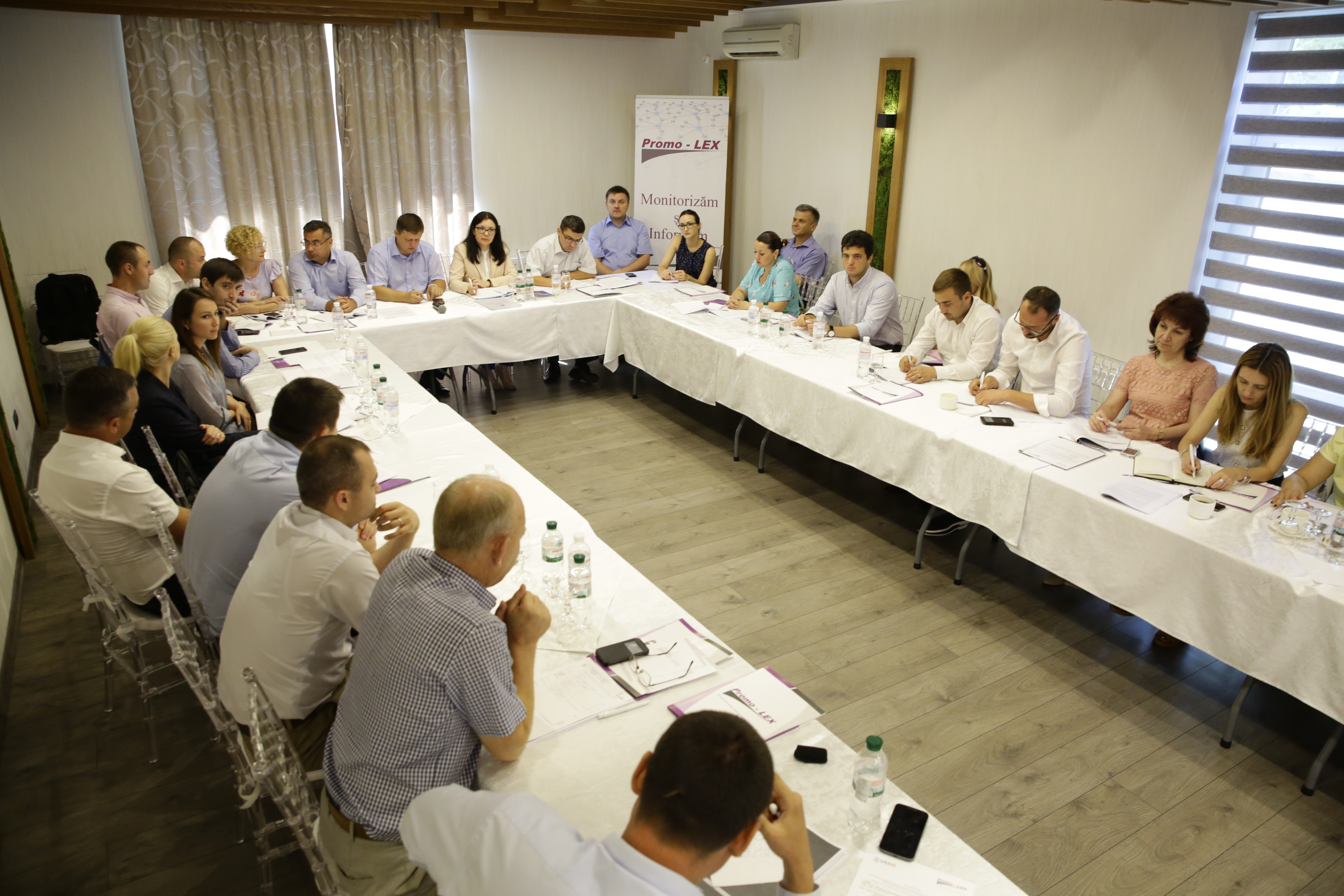


Promo-LEX: Tiraspol Wants a More Attractive ‘Army’

Though Article 282 of the Criminal Code of the Republic of Moldova criminalises the organisation of an illegal paramilitary formation or participation in such, the constitutional authorities of the Republic of Moldova still face challenges in applying these legal provisions. In over 25 years of independence, no one has ever been convicted for this crime. The most telling example of an illegal paramilitary formation stationed in the territory of the Republic of Moldova is the ‘Transnistrian army’.

The enrolment in these structures is tacitly accepted and unanimously tolerated, while in fact it has to be treated as unlawful deprivation of liberty. Back in 2008, Promo-LEX Association highlighted the complex situation of recruits [1]in the Transnistrian region[2]. Nine years later, the young people on the left bank of the Nistru River are still being forcefully enrolled in the paramilitary structures, since in case of evasion they risk to be sanctioned with a fine of up to EUR 1,700 (as of the end of 2016, equivalent to about 5.5 average salaries per economy in the Transnistrian region), or up to 2 years of imprisonment[3].

The conditions of the so-called compulsory military service of the recruits, which are at least inhuman and degrading, represent another problem. Since 2008, Promo-LEX Association has drawn the public attention to a number of deaths in the ‘Transnistrian army’[4]. On 2 January 2008, Anatol Mospan was brutally killed in a Tiraspol military unit. According to the official statement of the Tiraspol administration, he died of a heart failure. However, when his parents opened the coffin, they saw that his face was disfigured[5].

Another case is the one of Eugen Kolobyshko, Ukrainian citizen, who ‘deserted’ the ‘Transnistrian army’ twice after complaining many times to his parents about being beaten up and humiliated by the superiors. Later he was found drowned in the Nistru River, with signs of violent death[6]. In the same year, an army conscript Ivan Speian died on 18 July of a gunshot wound[7].

In 2010 Alexandru Stomatii was killed. His file was sent to the European Court of Human Rights, and later was communicated to the respondent governments (Republic of Moldova and Russian Federation).[8]

The case of Alexandr Rjavitin, who managed to ‘desert’ the paramilitary structures of the Transnistrian region after being repeatedly mistreated for months, is a recent one[9].

The violations of the rights of the forcefully enrolled persons are also confirmed by the findings reported by the ‘ombudsperson’ of the Transnistrian region[10]. Thus, according to the data submitted by the latter, 87 persons were convicted for desertion in 2016 (including due to hazing among soldiers).The report contains other information as well. In 2016, 7 criminal cases were initiated for hazing, bringing 12 soldiers to criminal liability.

In this context, inhuman conditions are not only determined by the hazing among military staff, but also by the abuses committed by persons in positions of accountability in the paramilitary structures of the region. Thus, the ‘ombudsperson’s’ report reveals 19 crimes, for which 21 military officers in positions of accountability were brought to criminal liability.

The data of the ‘Ministry of Defense’ of Tiraspol introduce another aspect. According to these, in 2016:

  1. 3 members of the military died under unknown circumstances;
  2. 8,247 claims/petitions were filed about the illness of members of paramilitary structures, 2,434 of whom were hospitalized;
  3. 88 of 154 injuries/traumas occurred during the ‘military service’.

Neither constitutional authorities, nor civil society or international institutions are aware of this phenomenon and its scale, since these paramilitary formations are closed ones and the actual number of cases of human rights violations cannot be monitored objectively.

Despite the existing cases of deaths or hospitalizations due to bodily injuries, there is absolutely no information about the causes or circumstances of these cases. Moreover, since the ‘ombudsperson’ of the Transnistrian region allows himself to support in his report the actions militarizing the paramilitary structures in the Transnistrian region, we can conclude that the so-called ‘ombudsperson’ is neither independent, nor impartial or trustworthy. Thus, it is quite possible that the number of persons who suffered in these paramilitary structures is much bigger, while the problems are much more severe than presented.

Despite the evident problems in paramilitary structures, the activity directions of the Tiraspol administration are focused on another aspect – and namely on persistent promotion of enrolment in these structures. We can tell it from the drafts on the de facto regime’s legislative agenda:

  1. adopt certain social benefits for war veterans[11];
  2. amend the Law on Defense, by outlining the competences of the so-called ‘Government’ and ‘President’ of the Tiraspol administration[12];
  3. benefits for persons, who as of the end of the World War II (2 September 1945) had not reached the age of 18 [13];
  4. adopt the Law on Civil Protection, with the emphasis on military aspects[14];
  5. change the recruiting periods (spring and autumn) of the ‘compulsory military service’[15];
  6. students get an opportunity to serve in the military during higher education studies[16].

The draft aimed at changing the recruiting periods is a response to the data confirming the reduction in the number of persons liable for military services during 2013 to 2016. On average, their number has been decreasing by 1,200 persons a year[17]. The fact that young people are given the opportunity to join the so-called army while doing their higher education studies is publicly justified by the so-called ‘members of the Tiraspol Supreme Soviet’ as a measure to make the ‘compulsory military service’ more attractive[18].

When analysing the scale and the impact of such amendments in relation to the human rights situation in paramilitary structures in the Transnistrian region, it is easy to see that promotion of the ‘compulsory military service’ is currently one of the priority interests of the Tiraspol administration, which continues to militarize the territory. Unfortunately, these interests stand above preventing and combating human rights violations.

This once again proves the need for prompt intervention by the constitutional authorities of the Republic of Moldova and international organisations to document the existing problems in the paramilitary formations from the Transnistrian region. Due to the inactivity of the national authorities and international community in preventing and combating human rights violations in the region, it seems that the Tiraspol administration is not subject to any liability. It continues to enjoy the impunity and can continue abusing human rights and freedoms, without holding any responsibility for its acts and deeds.


[1] Recruit – a soon-to-be soldier.
[2]Research – the Military Service Obligations of the Inhabitants of the Transnistrian Region of Moldova,
https://promolex.md/wp-content/uploads/2017/06/eng-doc_1233076724-2.pdf
[3] Article 325 of the Criminal Code of the Moldovan Republic of Transnistria
[4]Promo-LEX Newsletter No. 89/VI, ‘Dedovshina as it is’, June 2014
https://promolex.md/old/upload/ebulletin/en/nr89_1422621657en_.pdf
[5] Ibidem
[6] http://www.moldova.org/soarta-baietilor-din-raioanele-de-est-puscariabili-in-mod-automat-241208-rom/
[7]Promo-LEX Newsletter No. 89/VI, ‘Dedovshina as it is’, June 2014
[8]http://www.moldova.org/soarta-baietilor-din-raioanele-de-est-puscariabili-in-mod-automat-241208-rom/
[9]http://www.moldova.org/marturiile-unui-soldat-fugit-din-armata-transnistreana-e-ingrozitor-video/
[10]Report of the Ombudsperson of the Moldovan Republic of Transnistria for 2016. On the observance and protection of the rights and freedoms of persons and citizens in the Moldovan Republic of Transnistria by the public regulatory and administrative authorities, local authorities, citizen groups and organisations, regardless of their legal organisational forms and types of ownership, as well as by their officials, and on shortcomings identified in the legislation related to protection of rights and freedoms of persons and citizens
[11]http://www.vspmr.org/legislation/bills/vi-soziv/540.html
http://www.vspmr.org/legislation/bills/vi-soziv/376.html
[12]http://www.vspmr.org/legislation/bills/vi-soziv/528.html?&note=1
[13]http://www.vspmr.org/legislation/bills/vi-soziv/179.html
[14]http://www.vspmr.org/legislation/bills/vi-soziv/530.html
[15]http://www.vspmr.org/legislation/bills/vi-soziv/479.html?&note=1
[16]http://www.vspmr.org/legislation/bills/vi-soziv/504.html?&note=1
[17]http://www.vspmr.org/legislation/bills/vi-soziv/479.html?&note=1
[18]http://vspmr.org/news/committees/i-slujitj-i-uchitjsya.html / https://novostipmr.com/ru/news/17-07-04/zanyatiya-po-taktiko-specialnoy-podgotovke-proveli-v-tyui-mvd
https://novostipmr.com/ru/news/17-06-29/s-rossiyskimi-voennosluzhashchimi-v-pridnestrove-proveli